In which we say goodbye to a friend

One of Diane’s former co-workers has been a friend of ours for a long time. We went on volksmarches with him; he even helped put together an outdoor play structure for Jeff, and that was no small task.

His health hasn’t been good for the last few years, and he’s been in and out of convalescent facilities several times, so I wasn’t completely surprised when his caregiver called us a few weeks ago to let us know that John had passed away.

He’d married a Russian who already had a son; the marriage only lasted a few years, but the relationship with the son continued, even after the son’s career took him back to Russia (where he’s founded a couple of businesses).

Today, we attended John’s memorial – his son had flown in to arrange it and take care of all of the things that need to be done after a death. The service was short and meaningful – the pastor asked us to think about ways in which John had touched our lives. The attendees included John’s family, neighbors, and co-workers, and we all chatted for a while after the formal service ended.

It was sad to think that we won’t be able to talk with John any more, but it’s good that his suffering has ended.

Rest In Peace, John; your memory is a blessing.
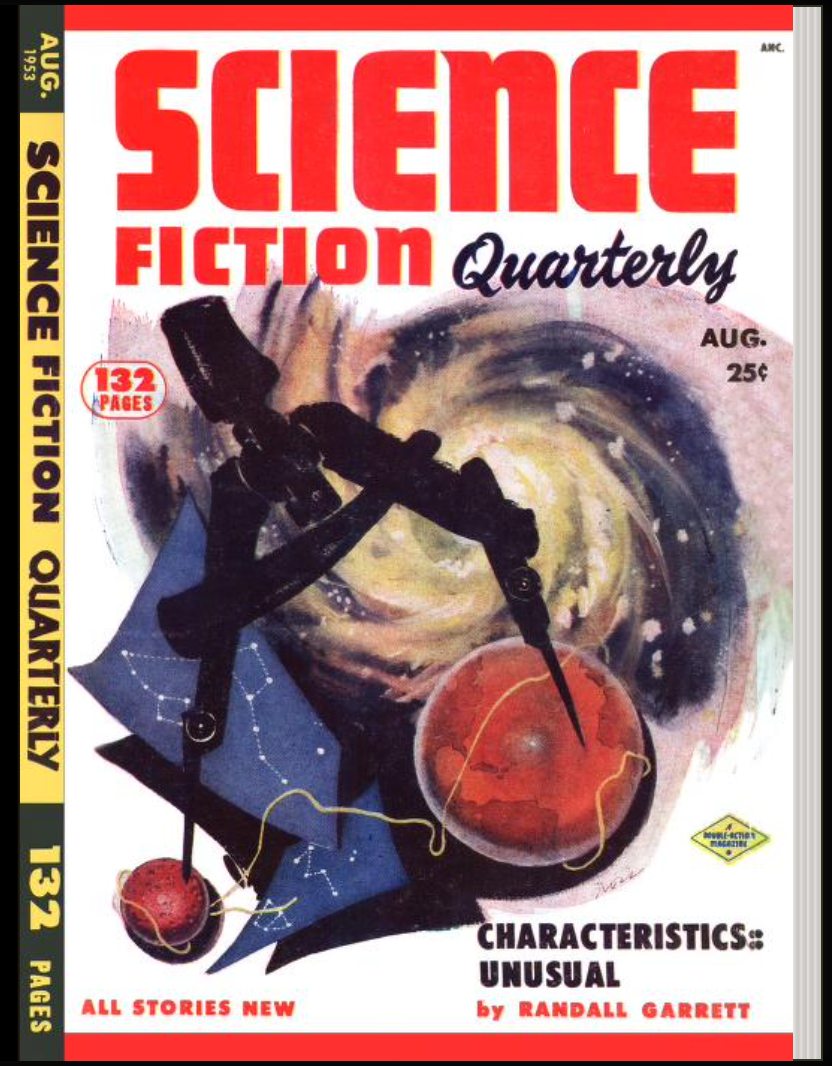
In which I stop counting

I read a lot of science fiction when I was in school; my favorite authors were Asimov, Clarke, and Heinlein, but I enjoyed many others, including James Blish. Blish’s “Cities in Flight” series was one of my favorites (the protagonist of the last three volumes was the Mayor of New York, which, of course, was a city flying through the Galaxy), but I read much of his shorter fiction, too.

One story that stuck with me was called “Common Time.” It’s the story of the first semi-successful faster-than-light trip; successful because the ship and pilot return to Earth, but only semi-successful because the pilot nearly went mad due to time desynchronization. He survived, in part, by setting up a subconscious process that counted seconds no matter what he was doing – for months on end. When he returned to the Solar System, he was compelled to figure out how long had elapsed here (versus his subjective time) before he could stop counting.

He finished the figures roughly, and that unheard moron deep inside his brain stopped counting at last. It had been pawing its abacus for twenty months now, and Garrard imagined that it was as glad to be retired as he was to feel it go.

I’ve been counting days on this blog for more than twenty months now, and it’s time to stop. I’ll blog when I have something to say or photos to share, but each entry will stand on its own.