This morning, we found our way to the Schiphol bus station and boarded the 300 bus direct to Haarlem, 40 minutes away. It wasn’t obvious how to use our iPhones to pay the fare; I think we did it right, but I won’t know until the bus company and credit card company finish processing the day’s receipts.
The bus itself was fast – most of the route was on a dedicated busway, so it didn’t have to compete with traffic and we arrived in Haarlem right on schedule.
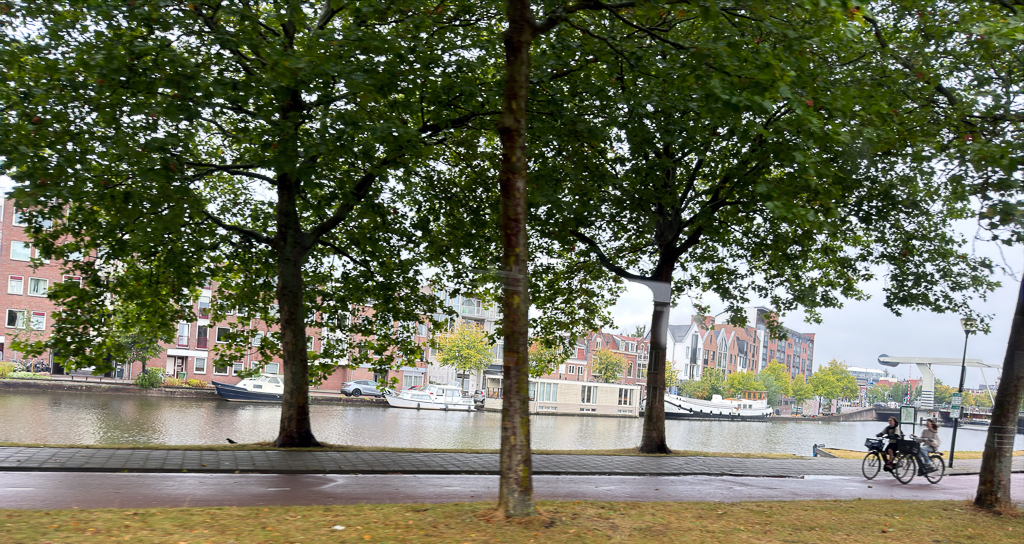
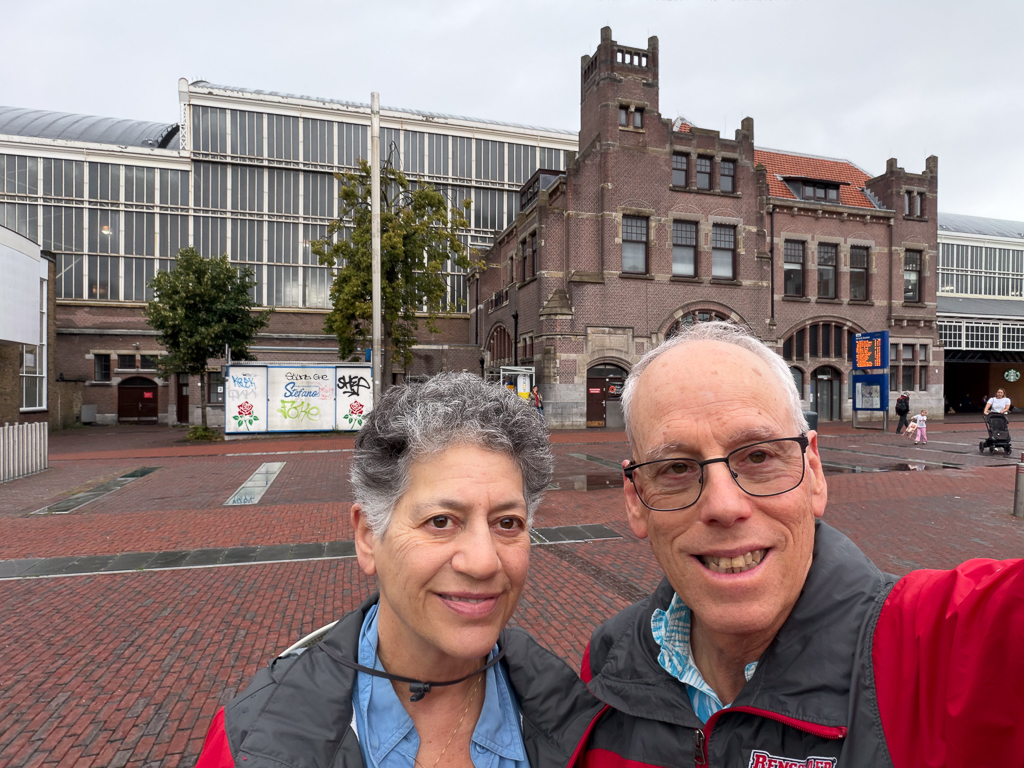
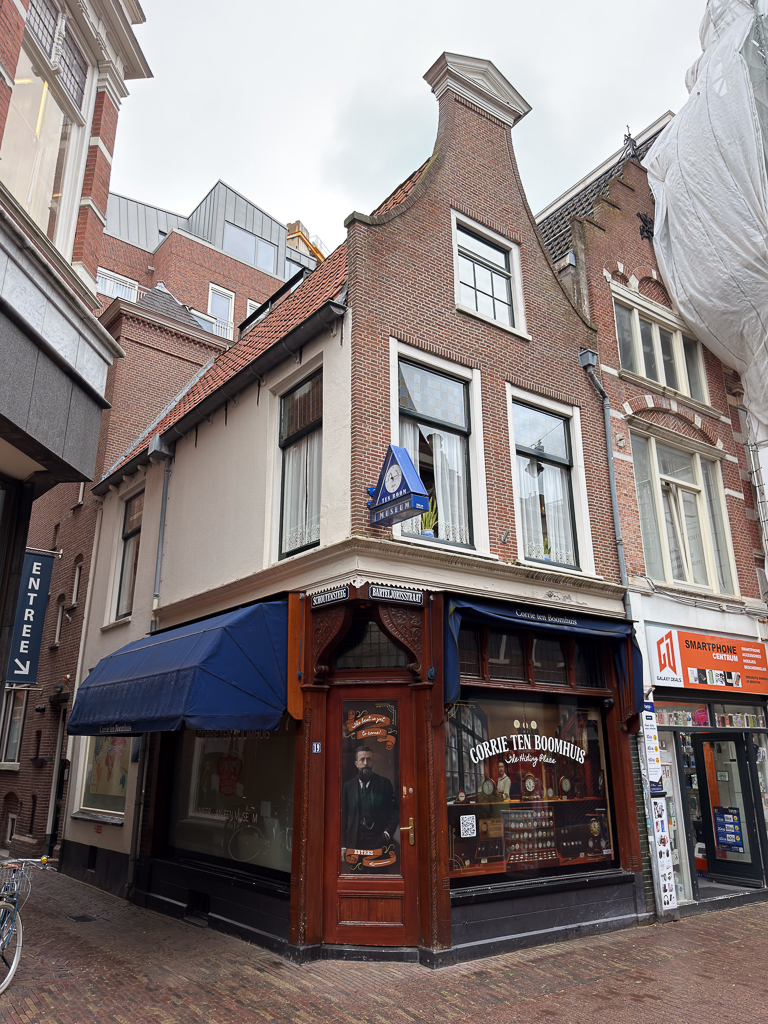
We were in Haarlem for a tour concentrating on Corrie Ten Boom, whose family saved many Jews and Resistance members during the war before being captured by the Nazis. She survived the death camp due to an administrative error freeing her, and eventually moved to the United States. Her story has been filmed as “The Hiding Place”.
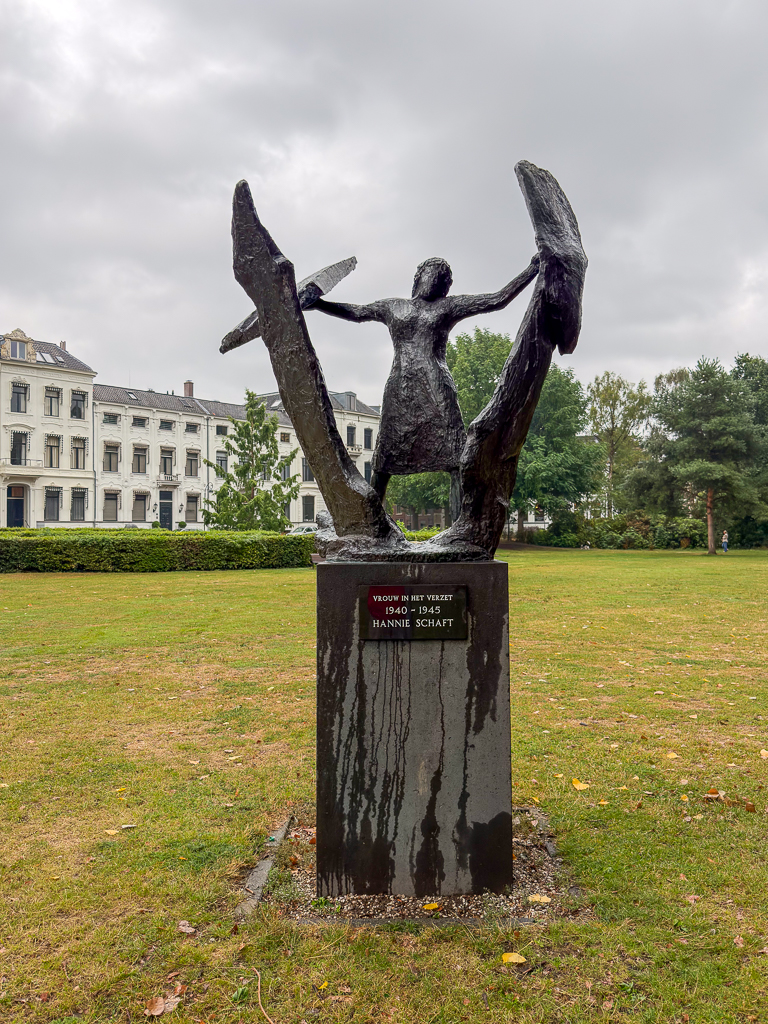
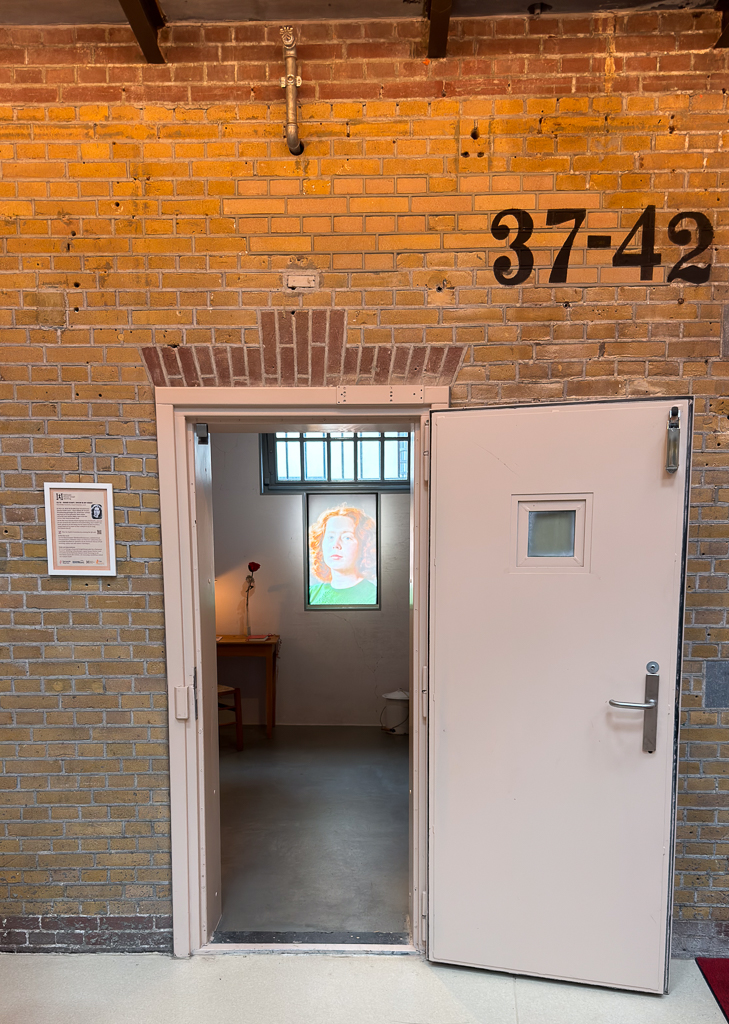
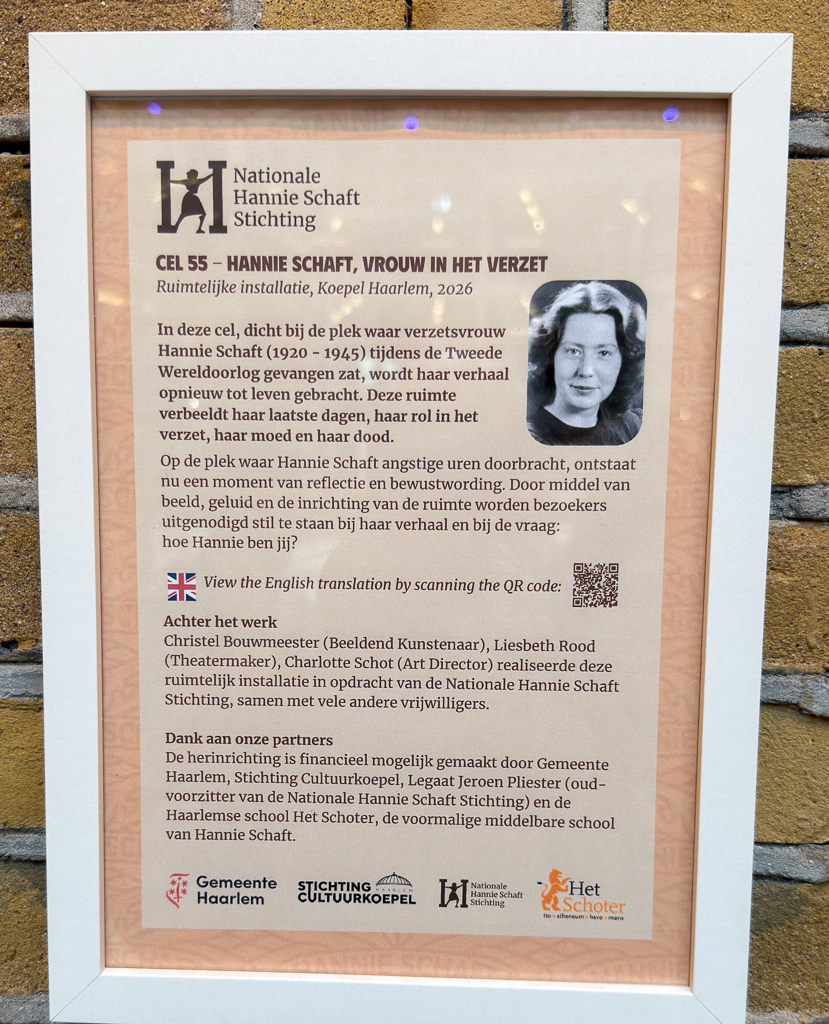
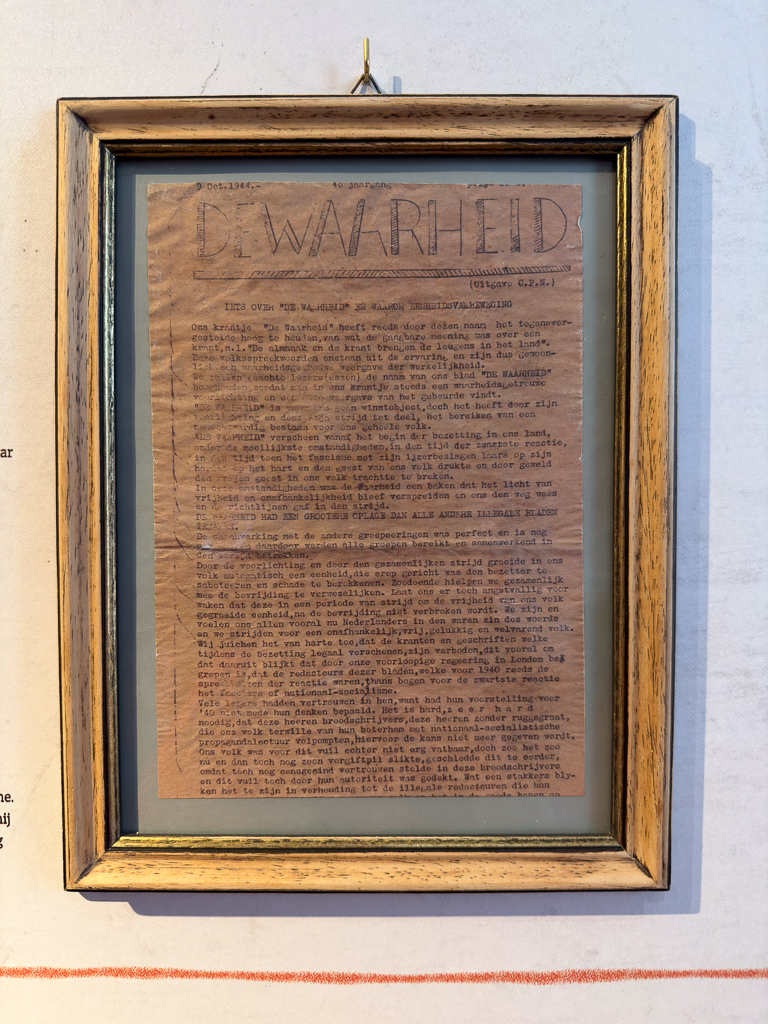
We also learned about Hannie Schaft, a member of the Dutch Resistance who was captured and killed by the Germans, and about the namesake of the park where we met, Kenau Simonsdochter Hasseleaer, who, in addition to being part of the opposition to the Spanish, was well-known for her not-so-sparkling personality. Our guide, Hubert, said that no one would name their daughters Kenau after that time!
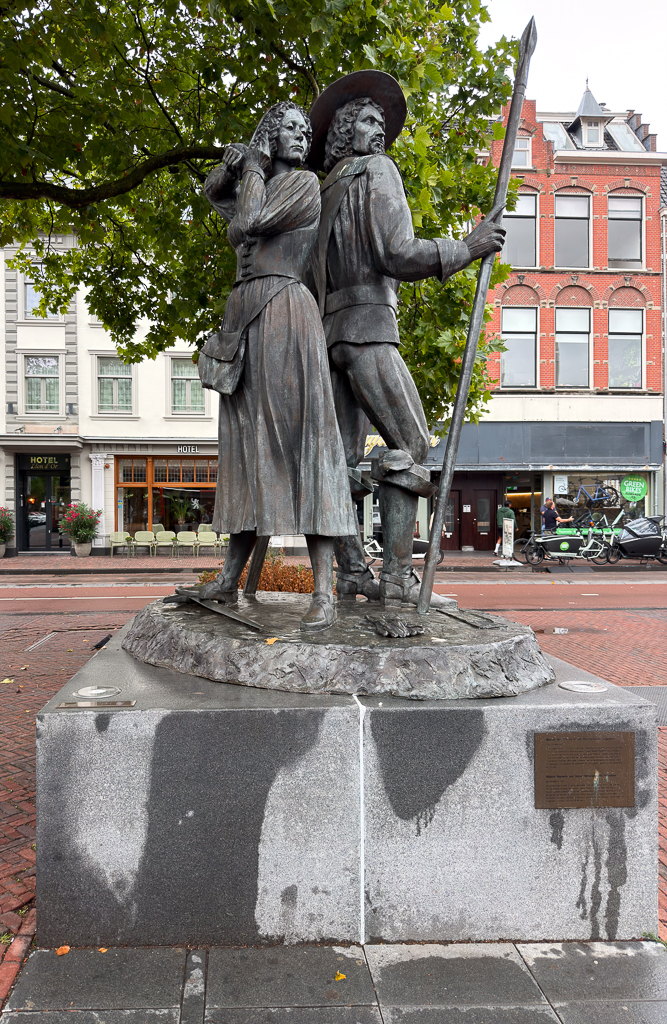
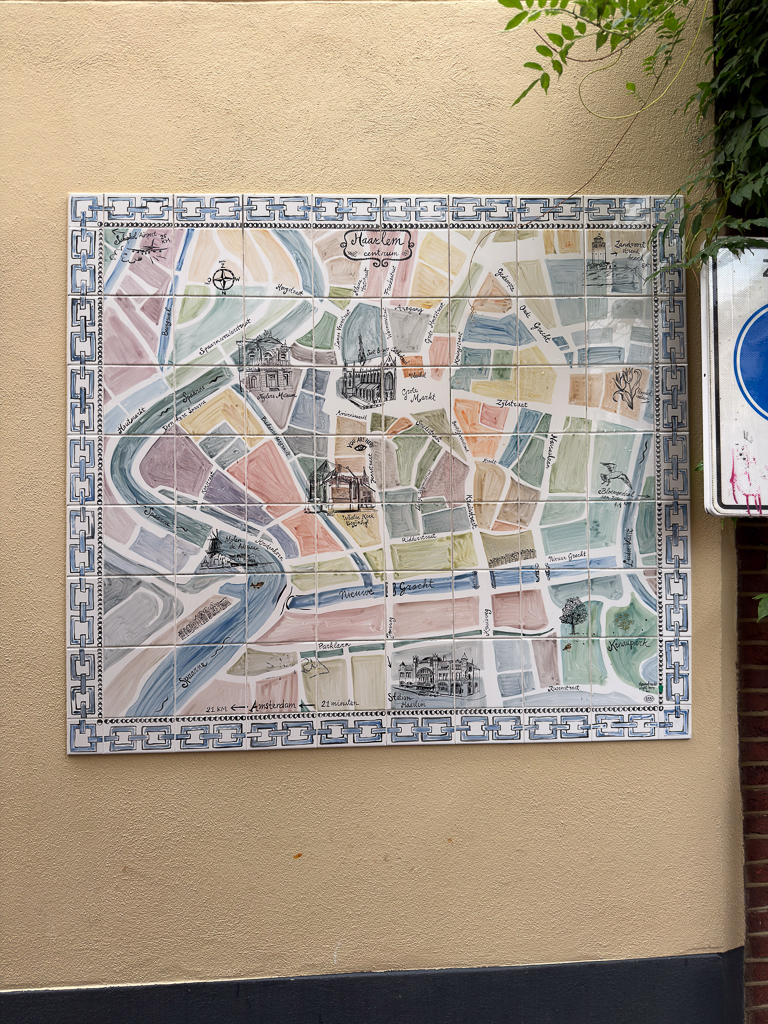
Kenau and Captain Wigbolt Ripperda are memorialized in a statue near the train station. The text on the statue reads:
During the siege of Haarlem by Spanish troops (11 December 1572 to 13 July 1573), the city resisted heroically for months. Captain Wigbolt Ripperda was appointed milita commander by the Prince of Orange and led the defense of the city. Kenau Simonsdochter Hasseleaer, a shipbuilder and timber merchant by profession, was one of a regiment of women in defense of the city.
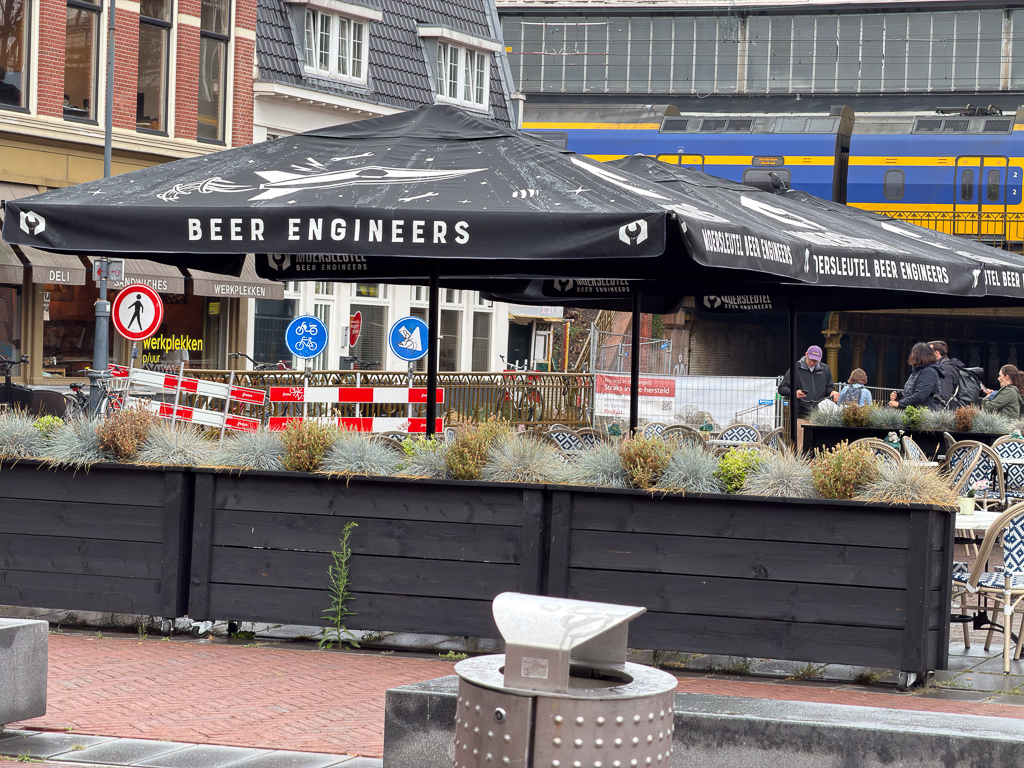
I thought we might come back to the station area for lunch, so I made sure to note the location of this establishment.
We walked from the station through the Old Town to our next stop, the Corrie Ten Boom House.
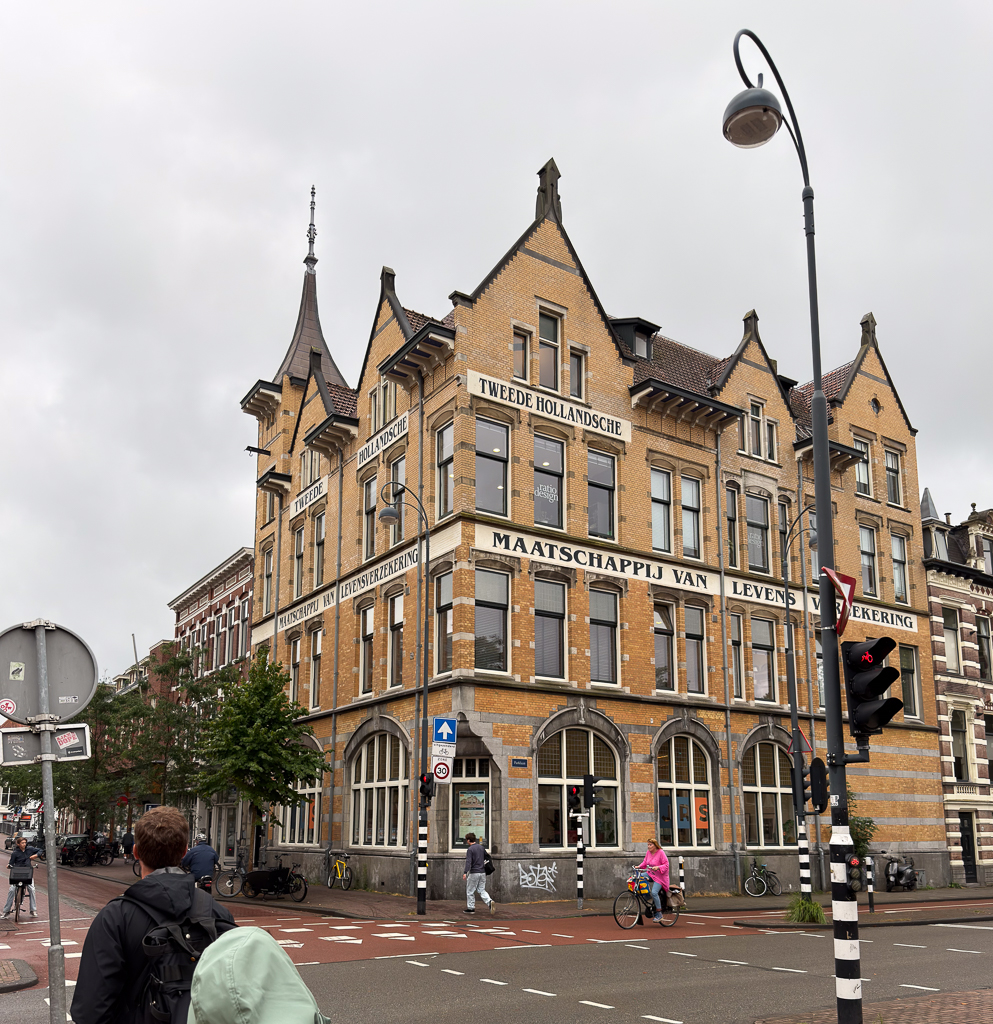
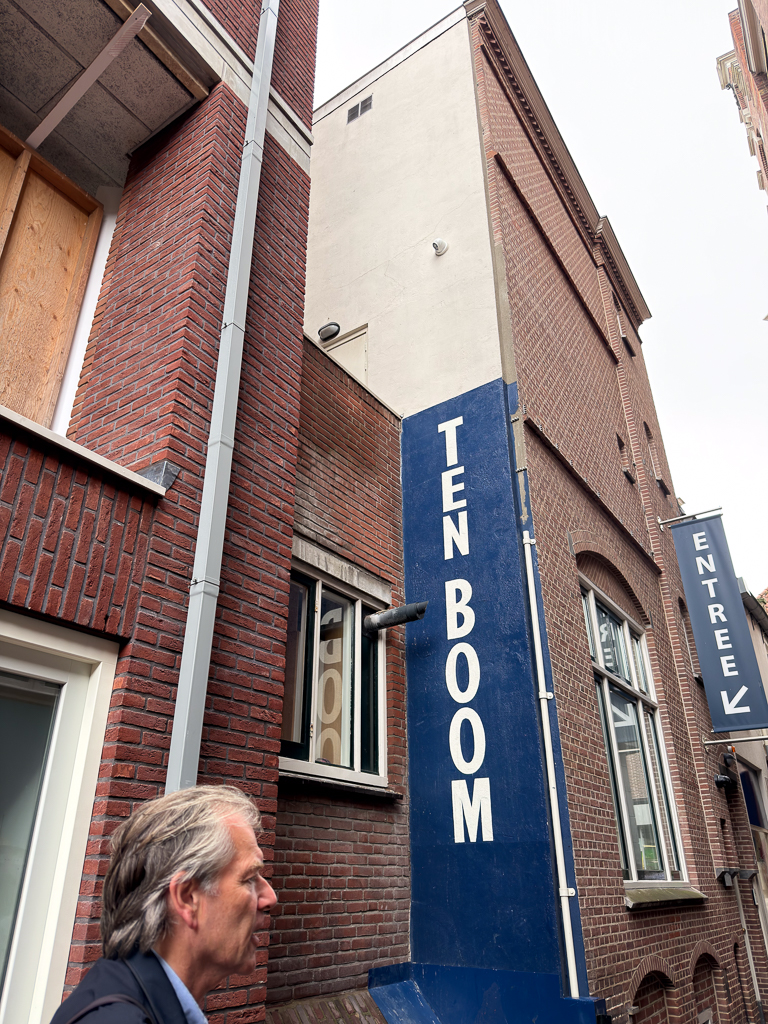
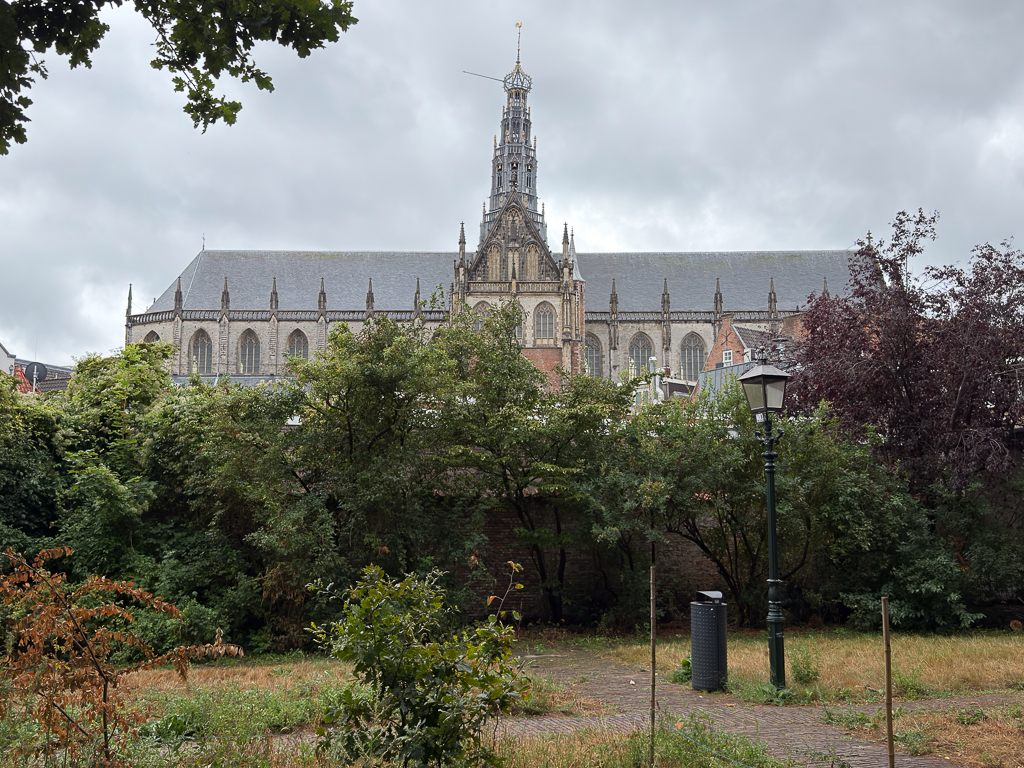
After Hubert told us the story, we continued the tour through the Wijngaardtuin (where they were able to grow wine grapes before the Little Ice Age – Diane and I had Pinot Noir last night from the Limberg region, about 200km south of Haarlem, so there’s hope for Dutch wine again!) and onward.
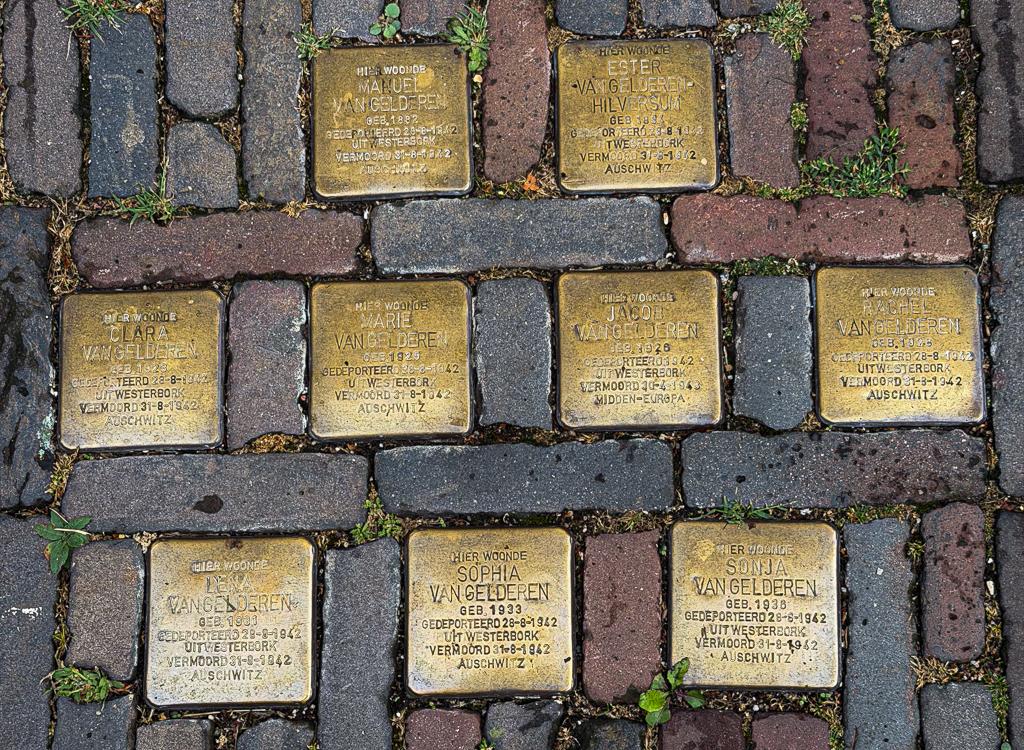
Hubert showed the group a set of stumblingstones and explained their significance.
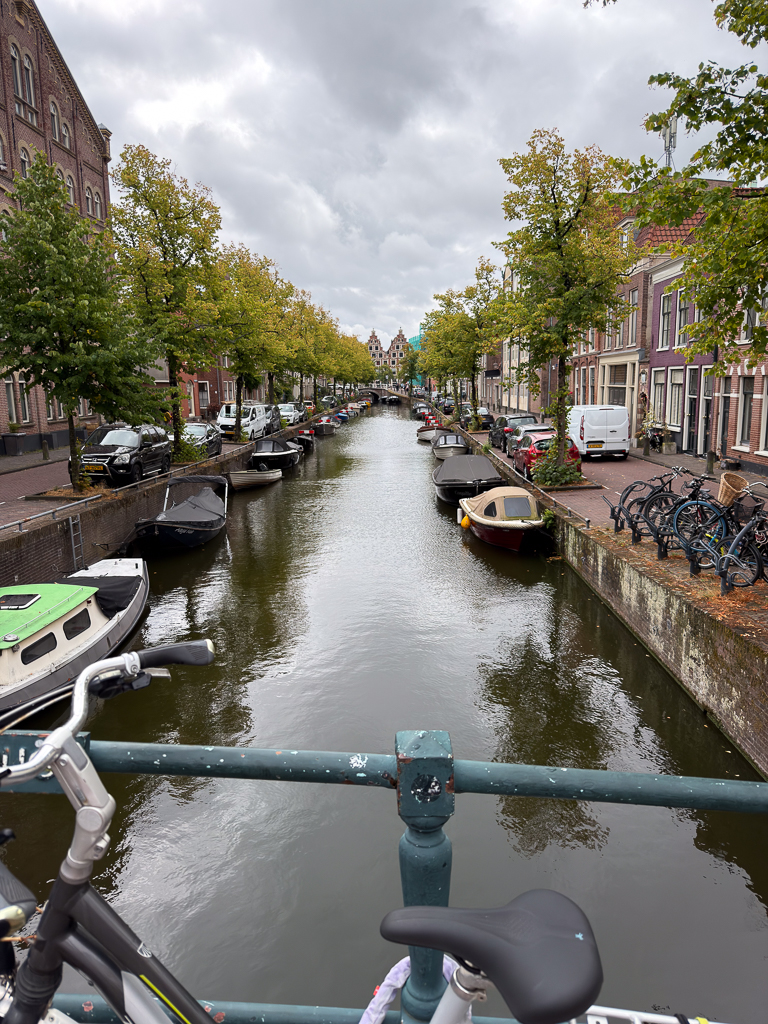
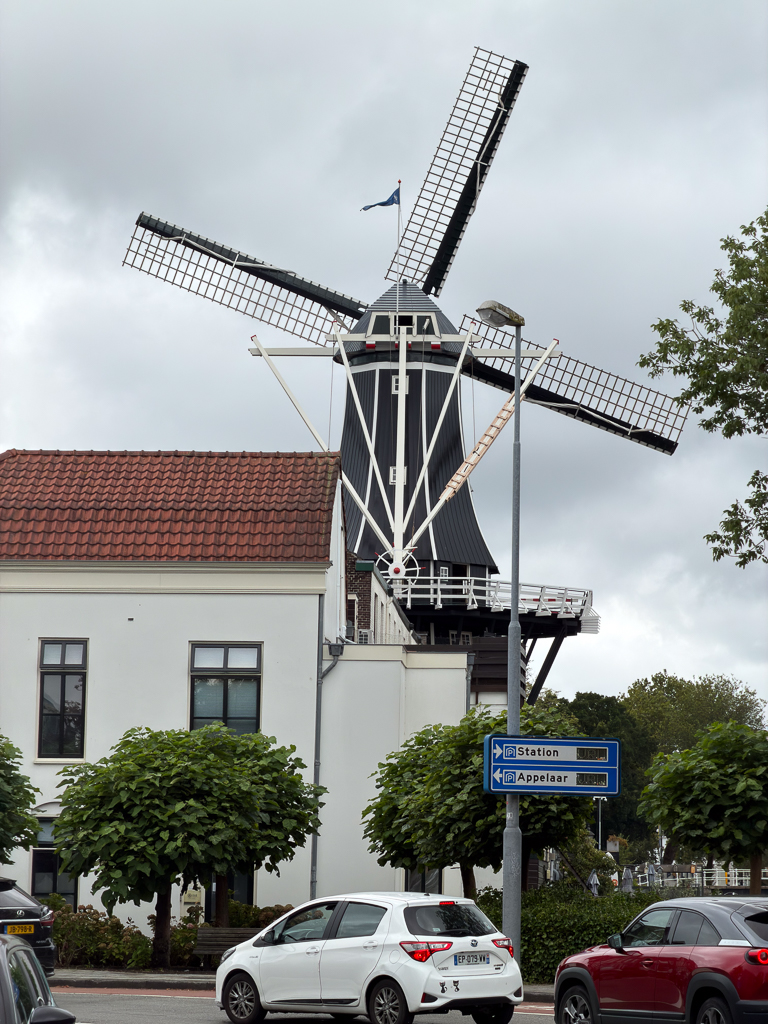
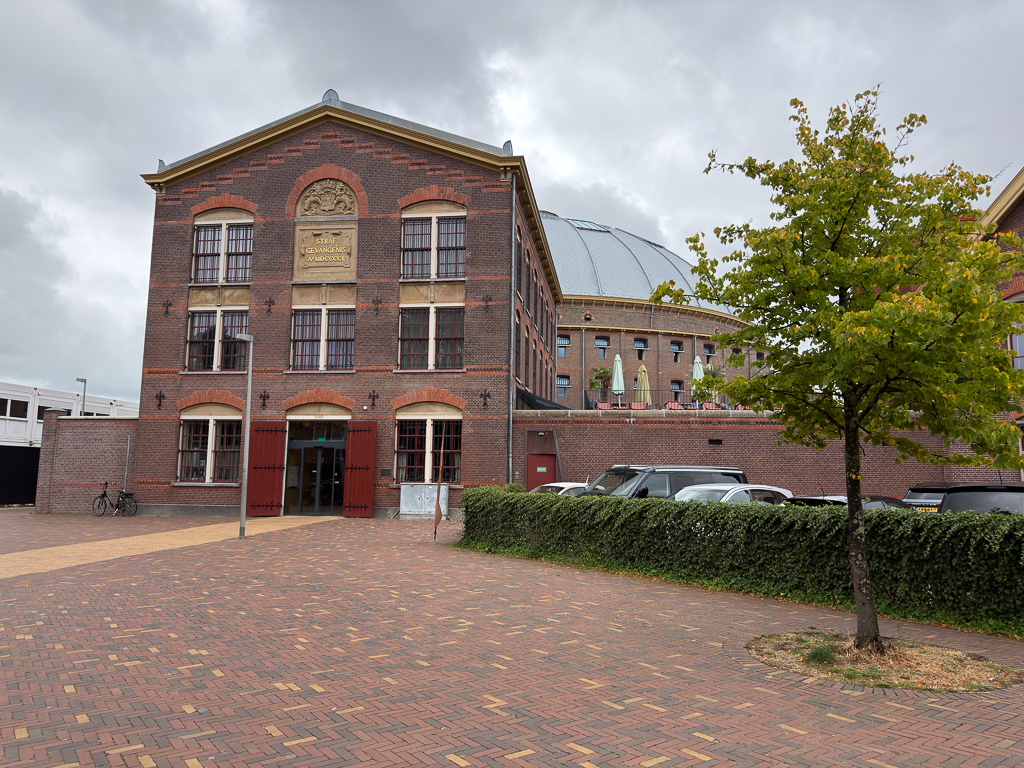
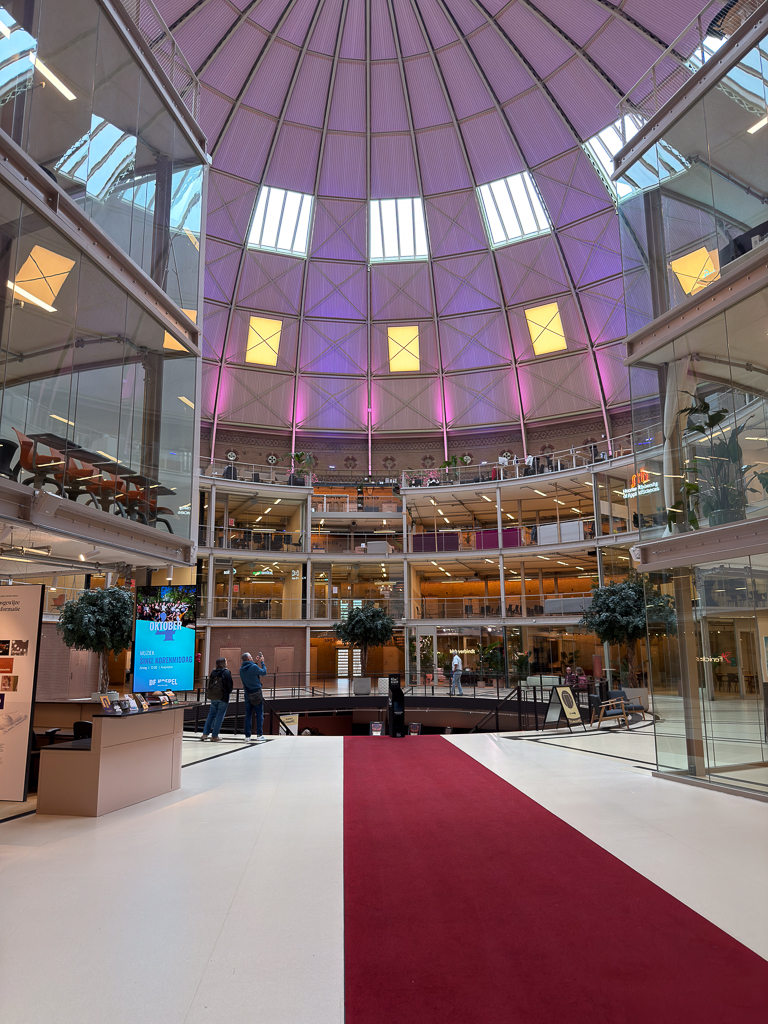
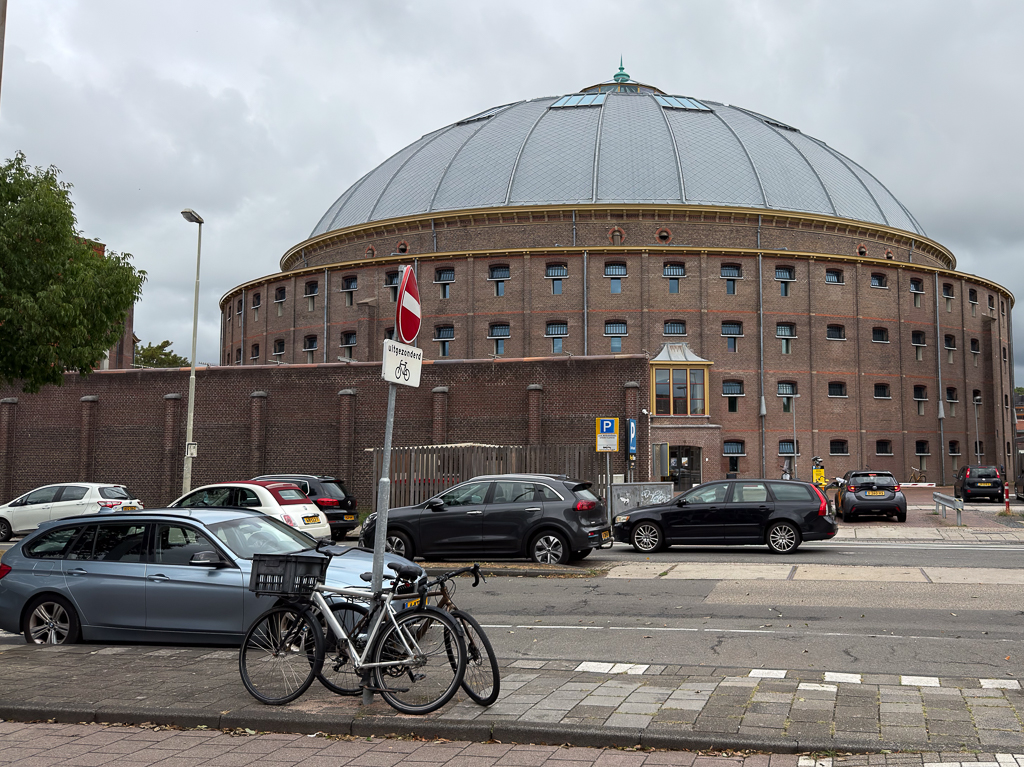
We visited “De Koepel”, a former prison.
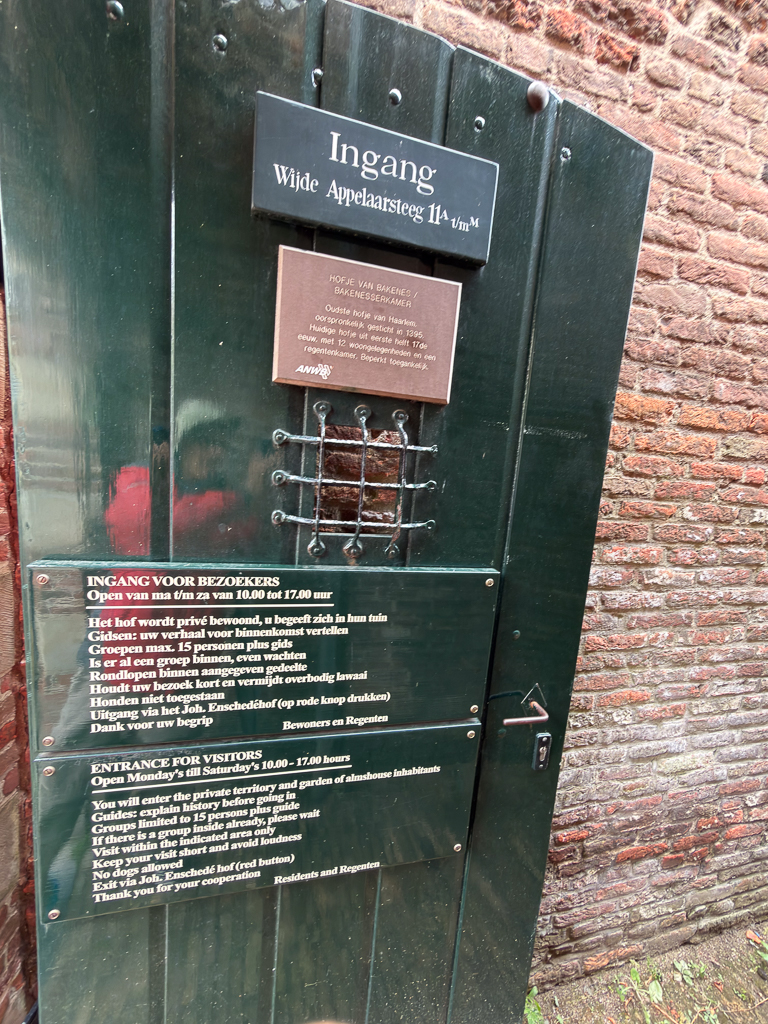
Hubert took us through the oldest almshouse in the Nederlands.
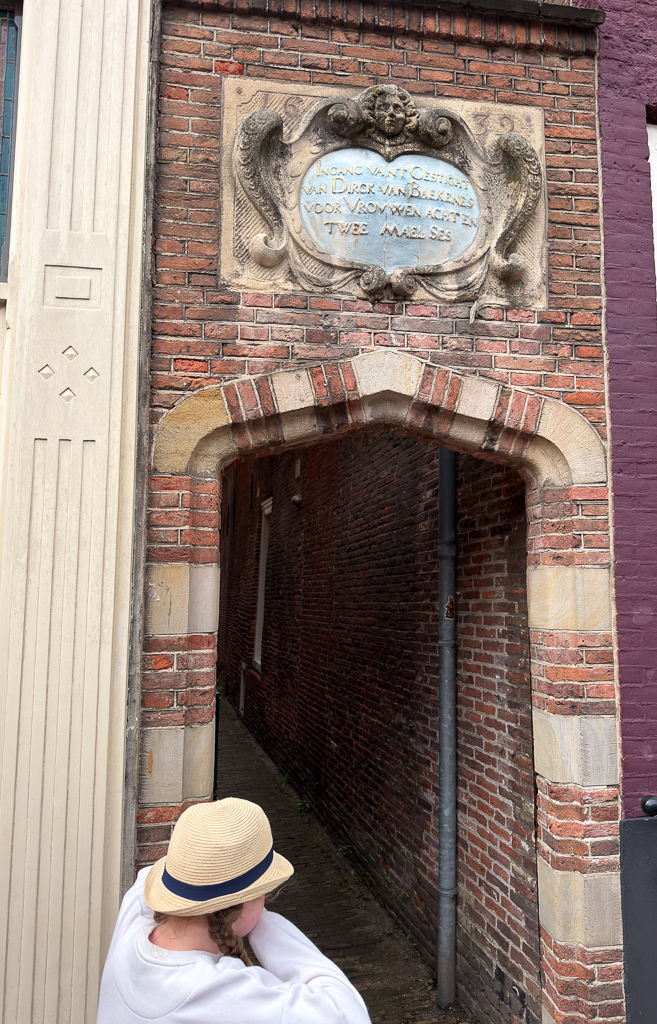
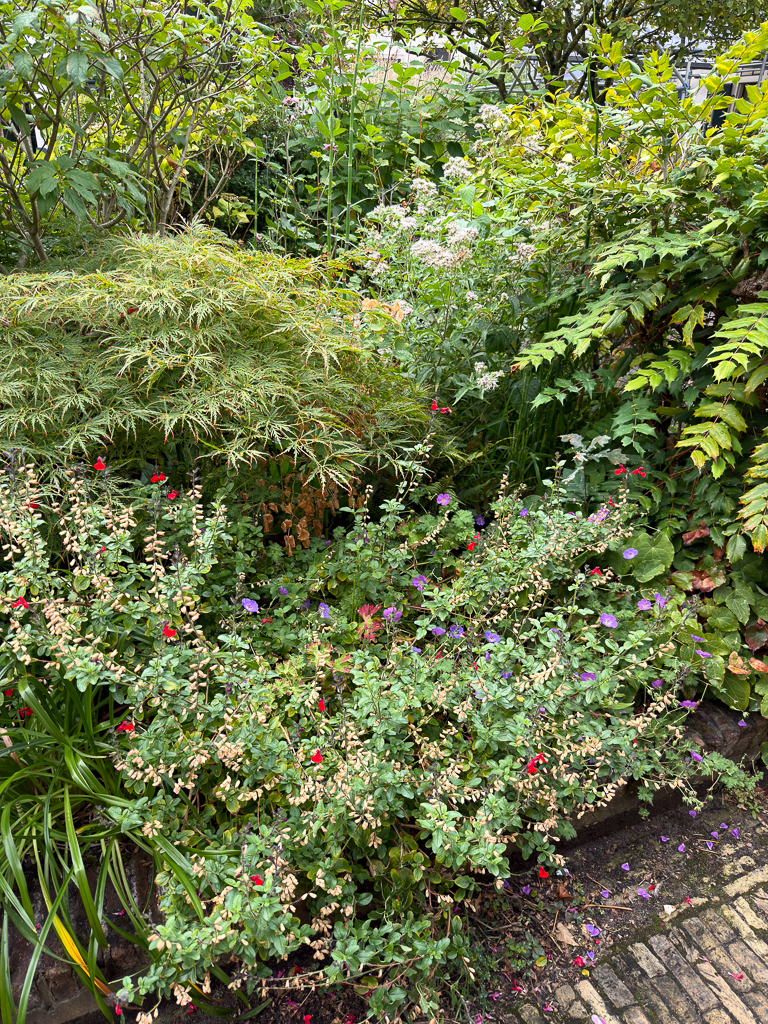
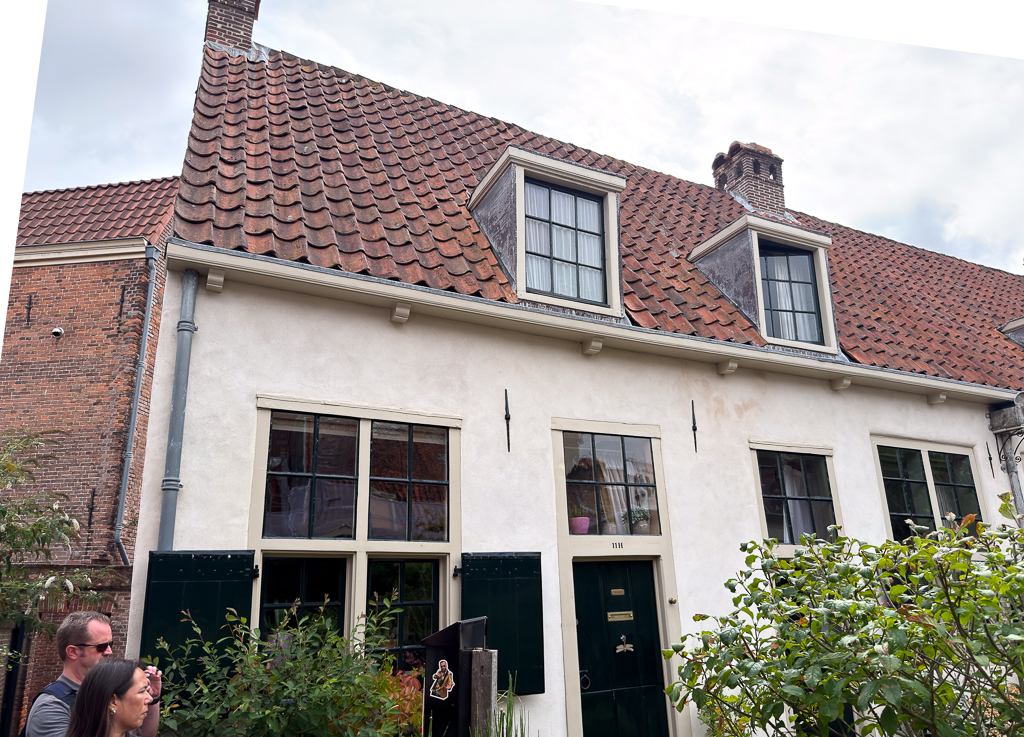
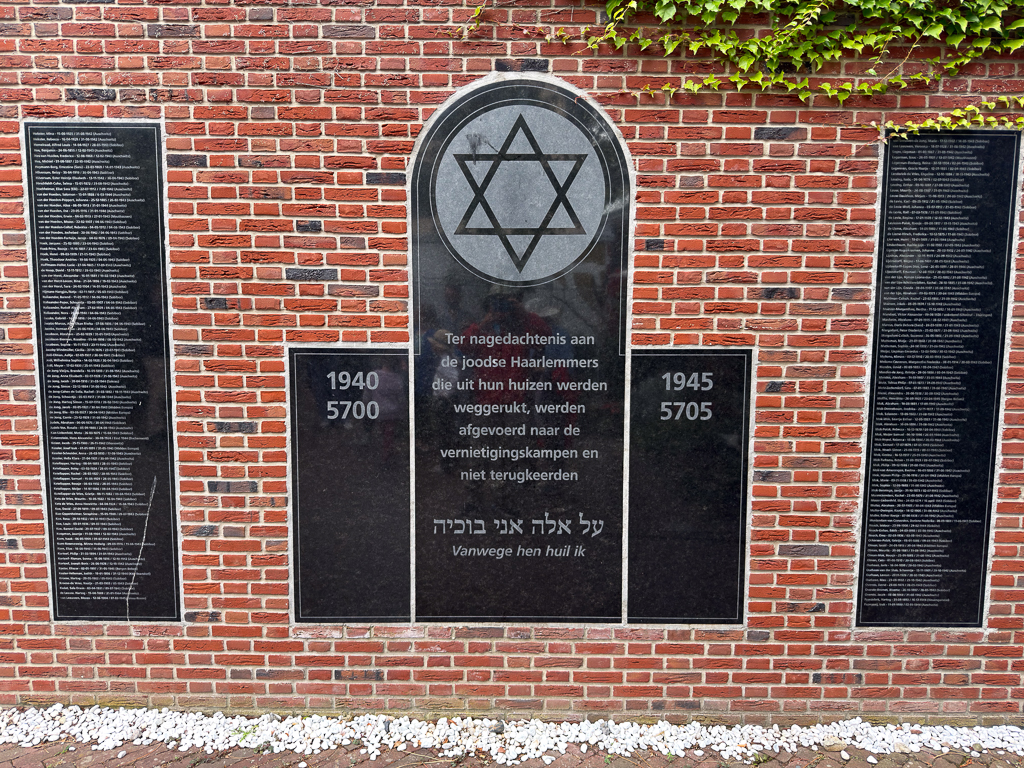
The final stop on the tour was the Joods Monument Haarlem, a tribute to the 715 Jewish residents of Haarlem who were deported and murdered by the Nazis.
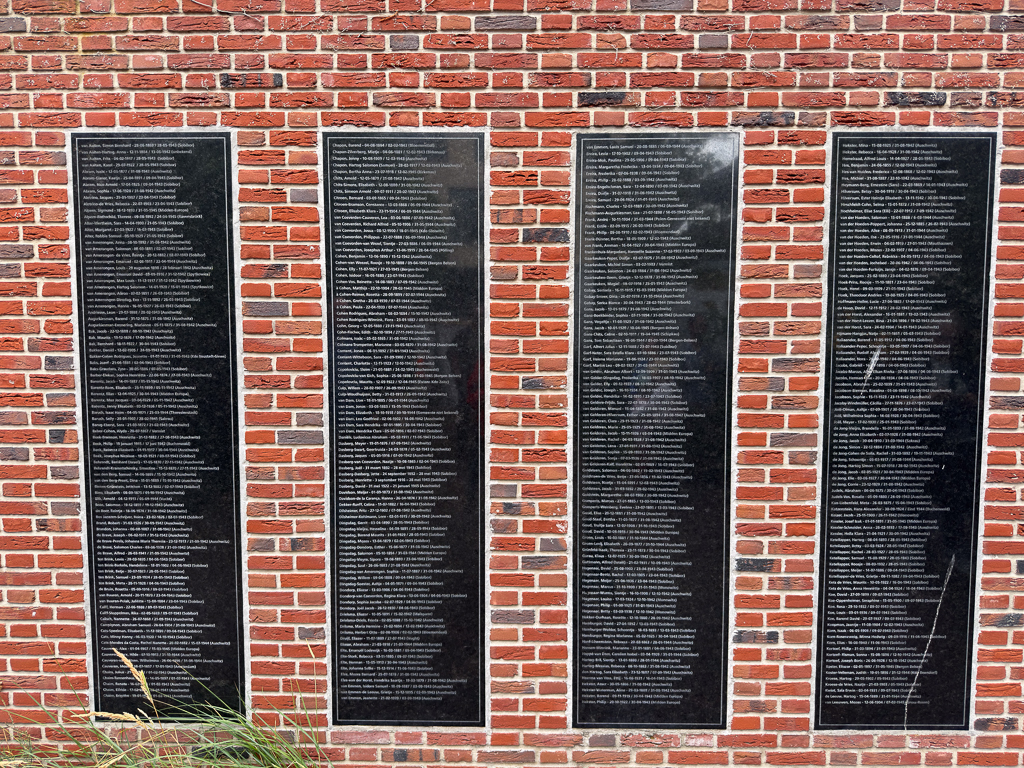
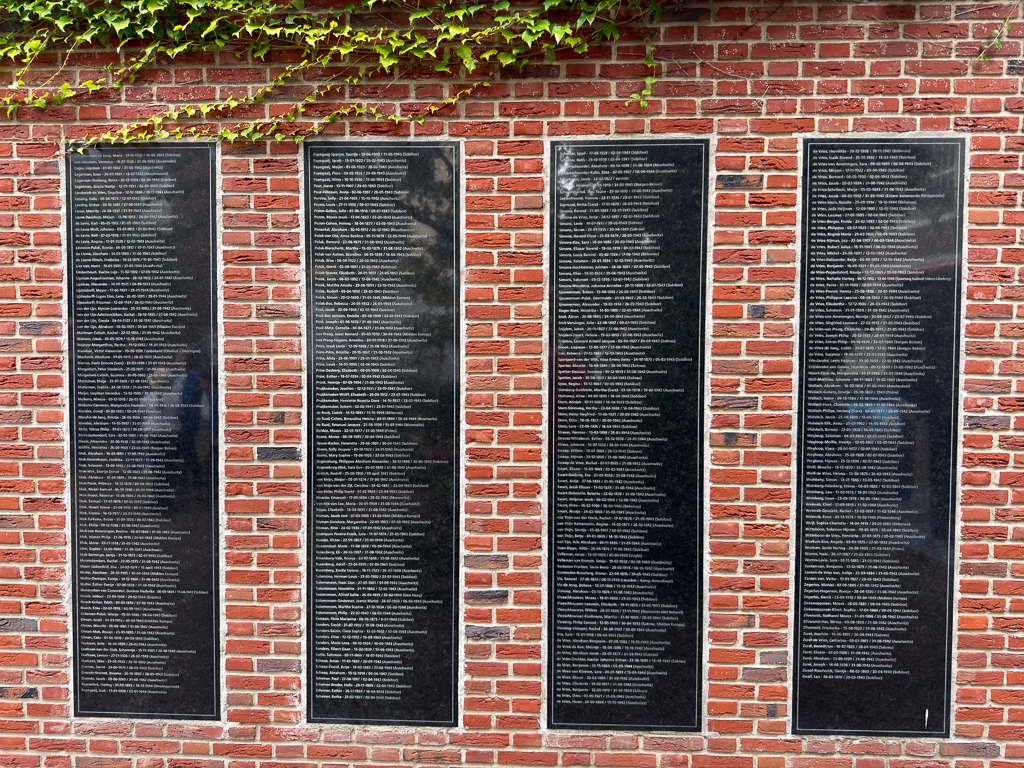
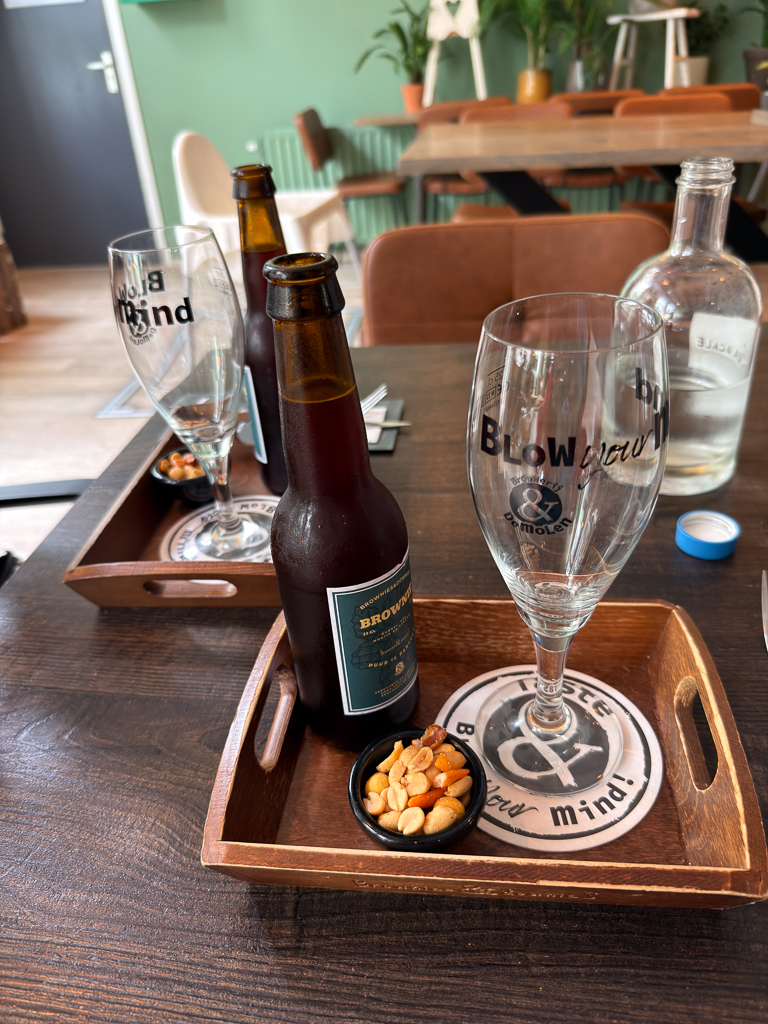
It was a great tour, leaving us hungry to know more…and also leaving us hungry. We wandered around a bit and ended up at a most interesting restaurant, Brownies & downieS, which is largely staffed by employees with various disabilities (including Down’s Syndrome). The service and food were great, though the beer and brownie outshone the real food…they even fed my iPhone, which was quite low! They displayed an article about the cafe and the idea, which I translated into English here.
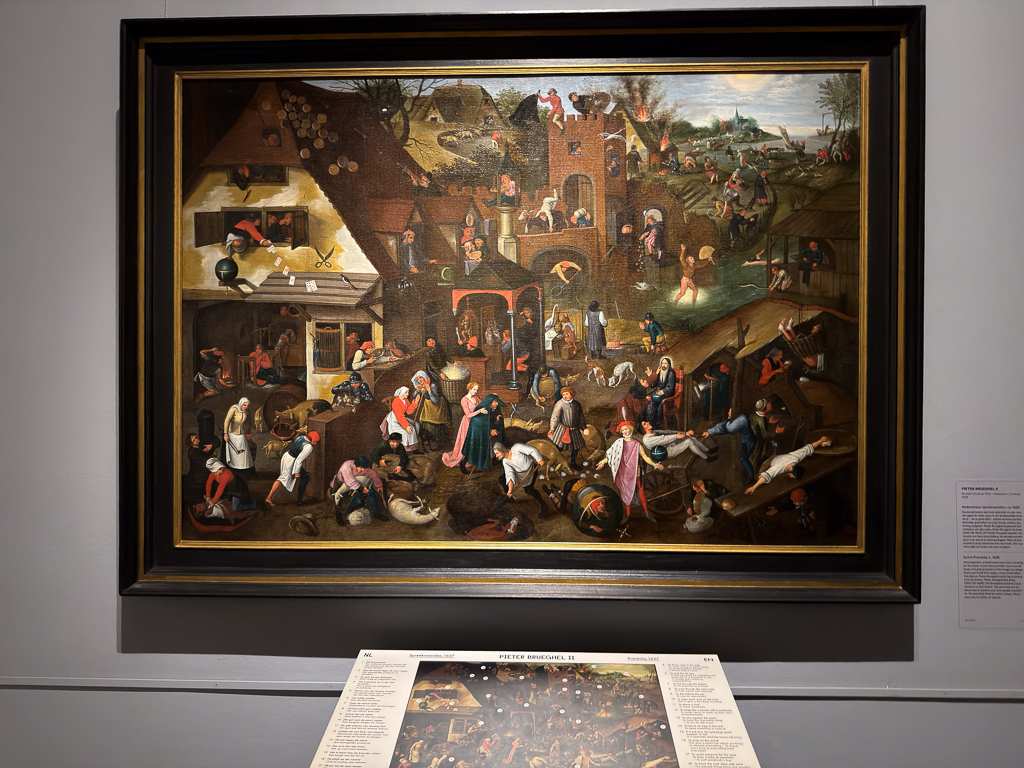
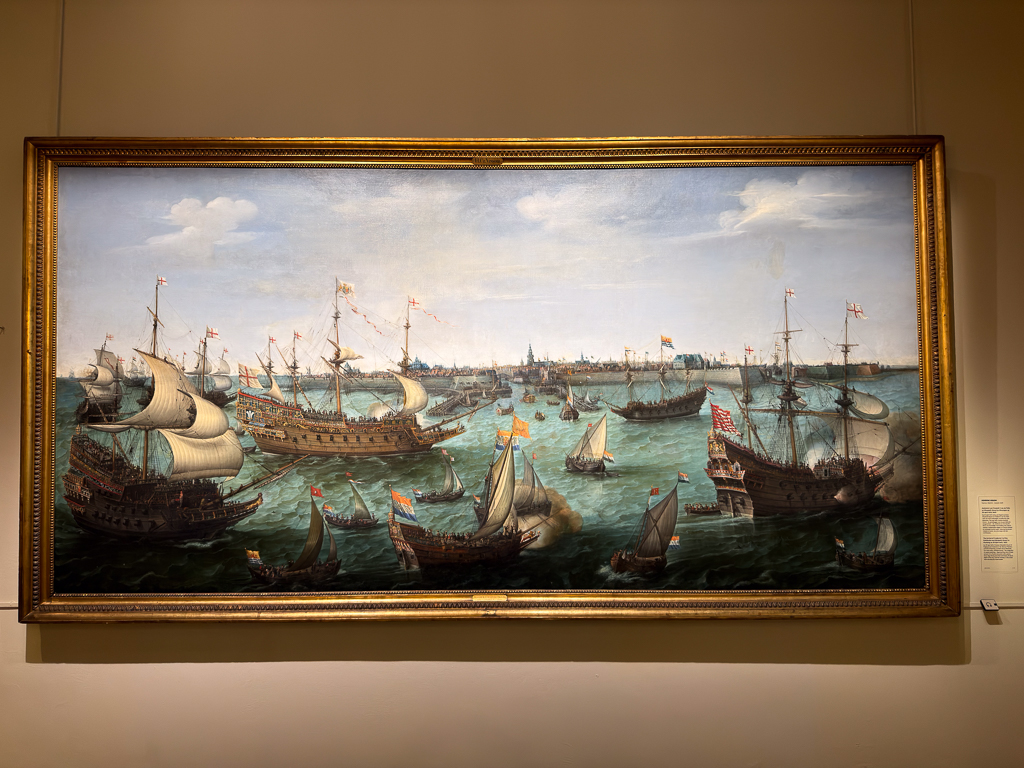
After lunch, both of us were tired, but we didn’t want to miss the Frans Hals Museum. It has many of his Civic Guard paintings – they are so huge you have to see them in person to appreciate them. There were other paintings in the museum that were a little easier to photograph, though, like Pieter Bruegel the Younger’s “Proverbs”, and “The Arrival of Frederick V of the Paltinate and Elizabeth Stuart in Flushing” by Vroom.
We left the museum as it was closing; I’d like to go back when I’m fresher.
We took the bus back to our hotel, had a light dinner in the lounge, and then I took a much-needed nap!