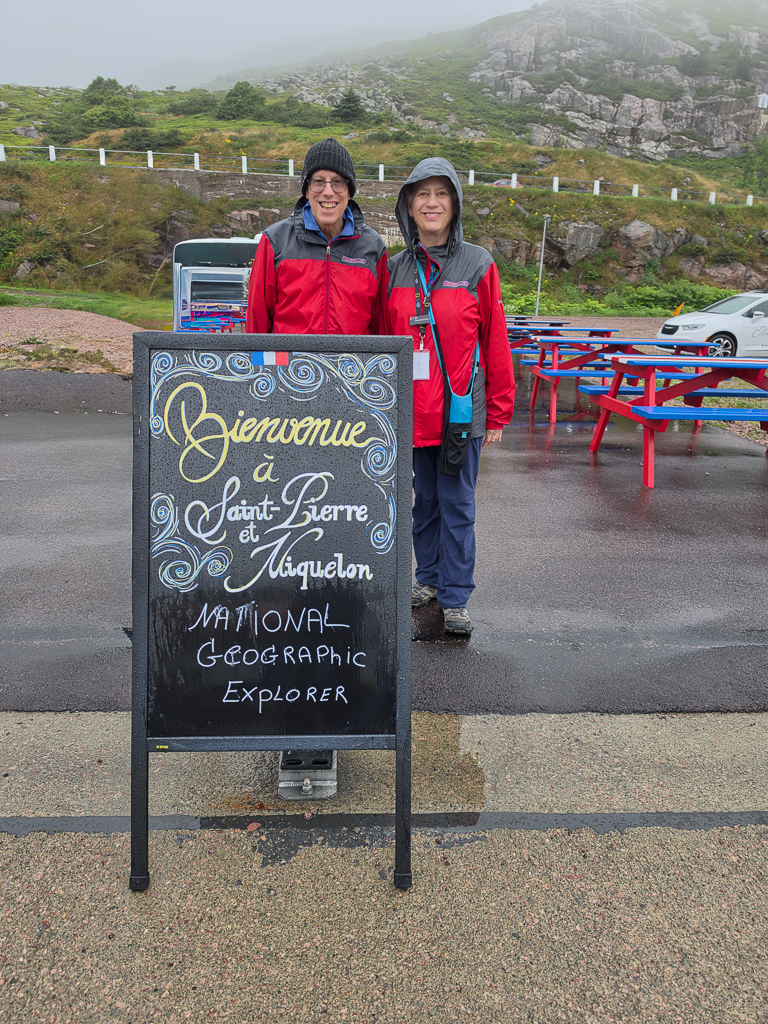
We reached Saint-Pierre et Miquelon about noon local time (UTC-2, half an hour ahead of Newfoundland, even though we sailed west to get here). We docked at the cruise ship port, about a five-minute ride from the town of Saint-Pierre.
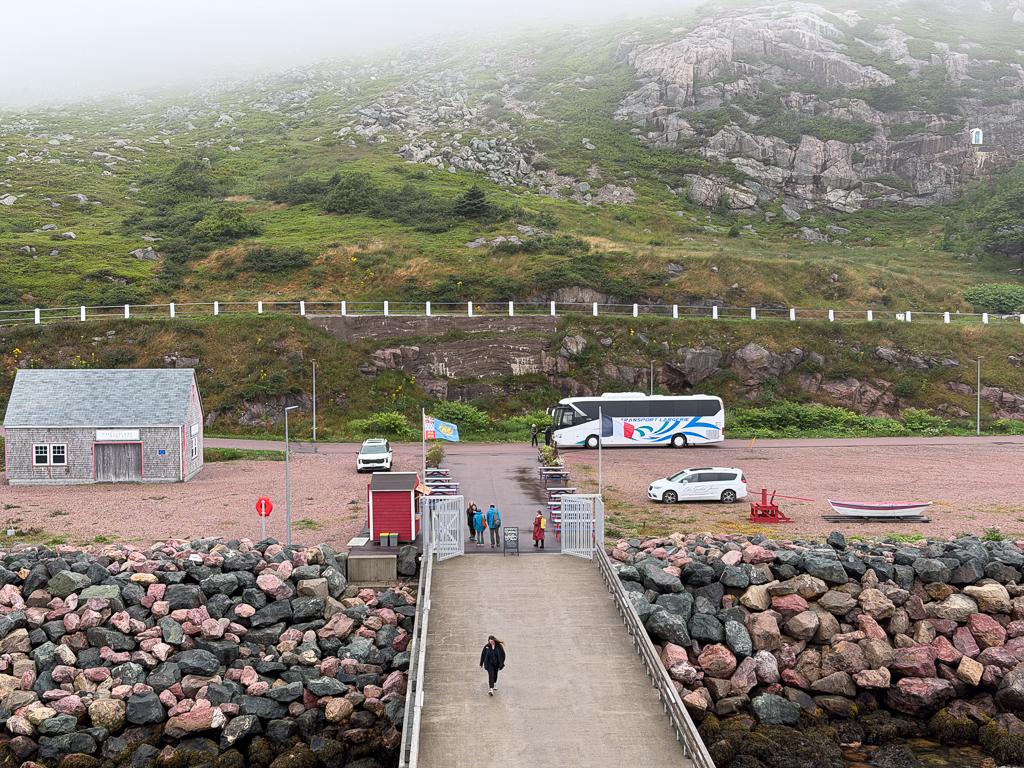
We took a Zodiac to Île aux Marins (the Island of Fishermen), which used to support a thriving population of fishermen and their families. Today, it’s a “ghost island”, with a few inhabitants during the summer and no one living there during the winter.
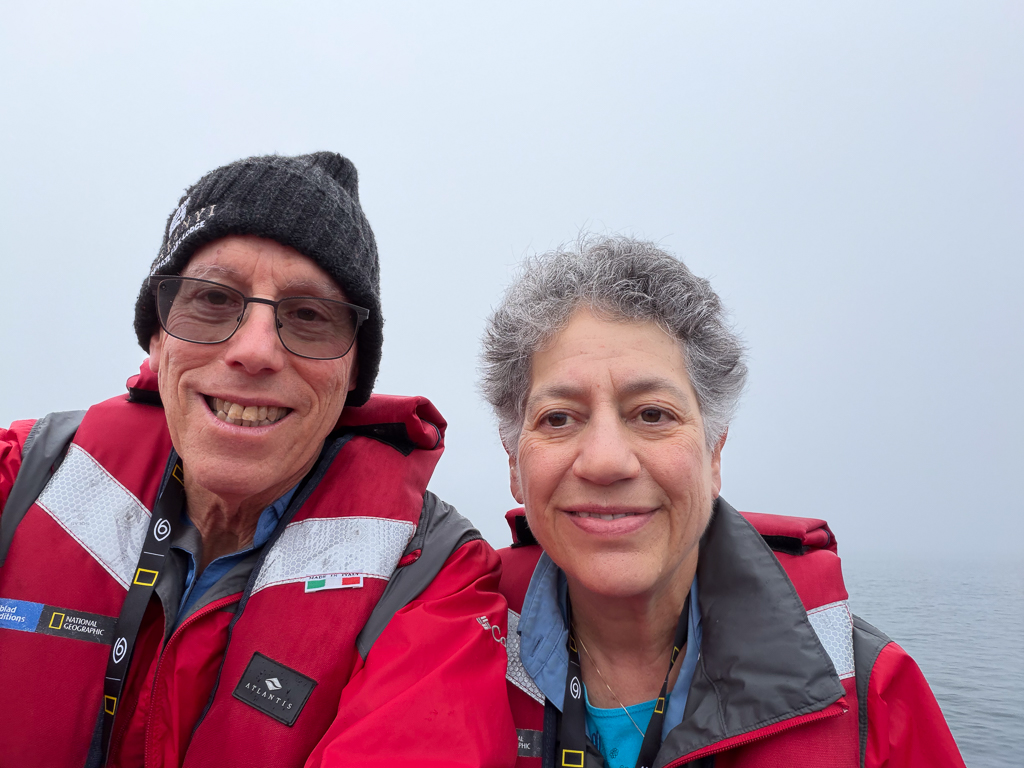
There are no cars on the island, but there is a parking lot!
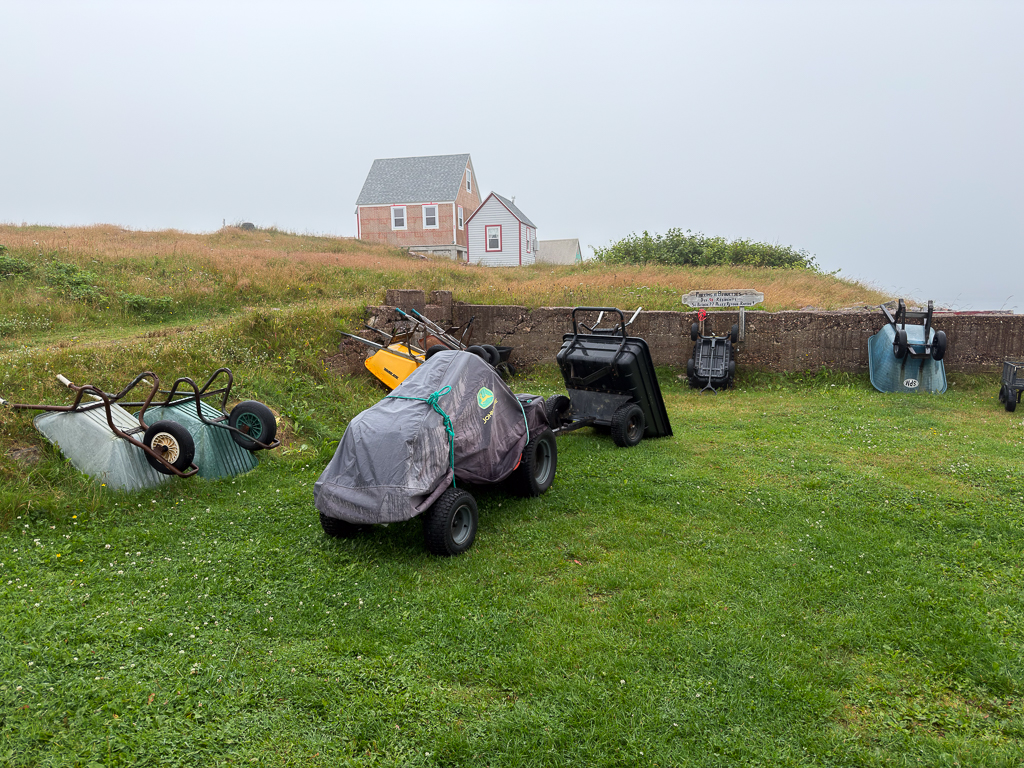
The main (well, only) industry on Île aux Marins was cod fishing…until it wasn’t; the last full-time inhabitants left in 1963. Our guide Michael pointed out a “cod-drying” field; the cod was dried on the rocks, which left it in good condition.
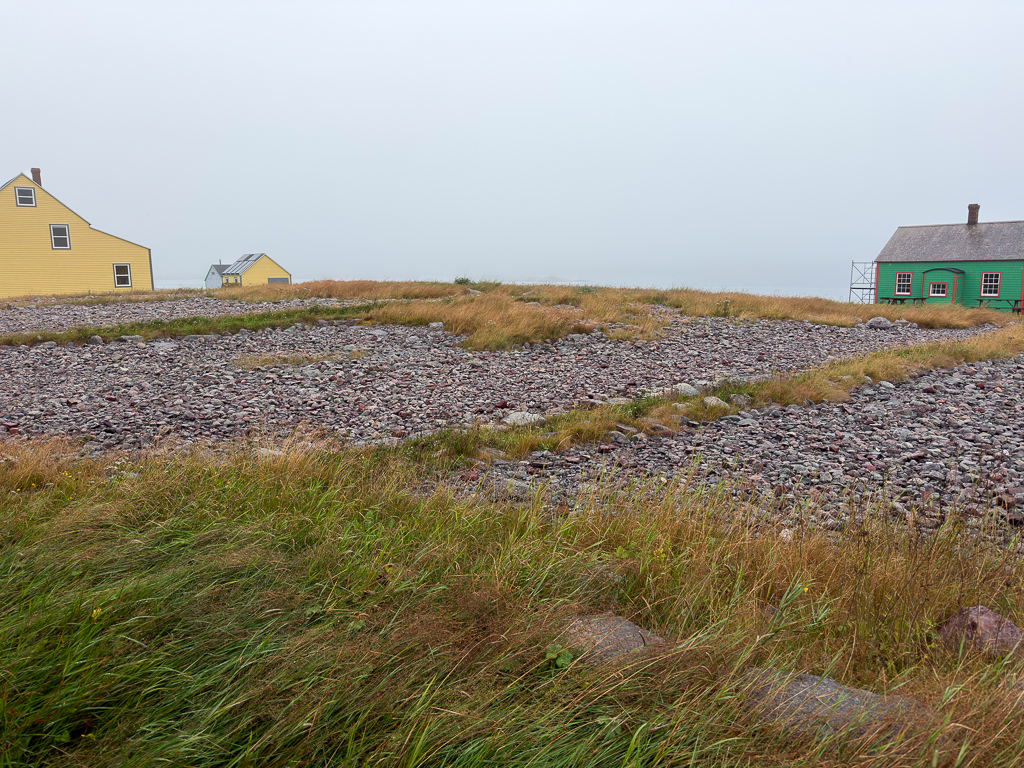
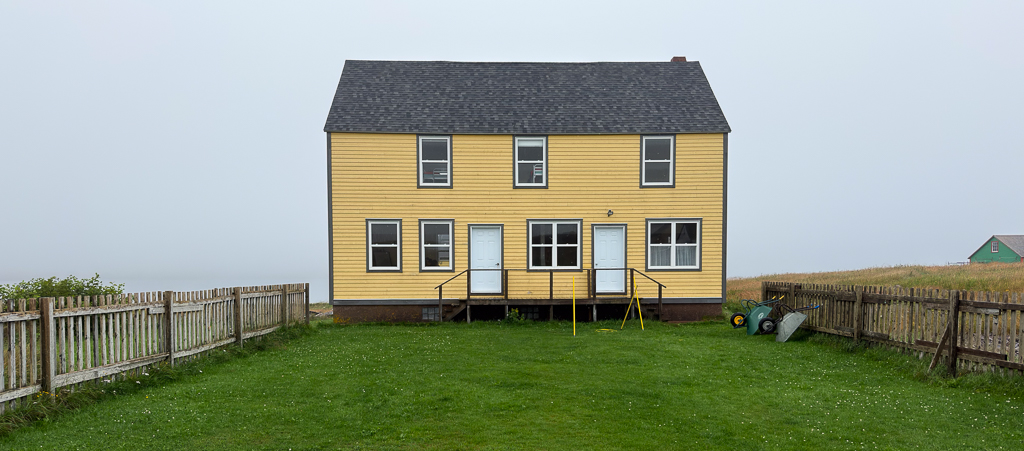
Every summer, there is a soccer camp on the island; the kids stay in this house, which was built in 1863 as a nursery school.
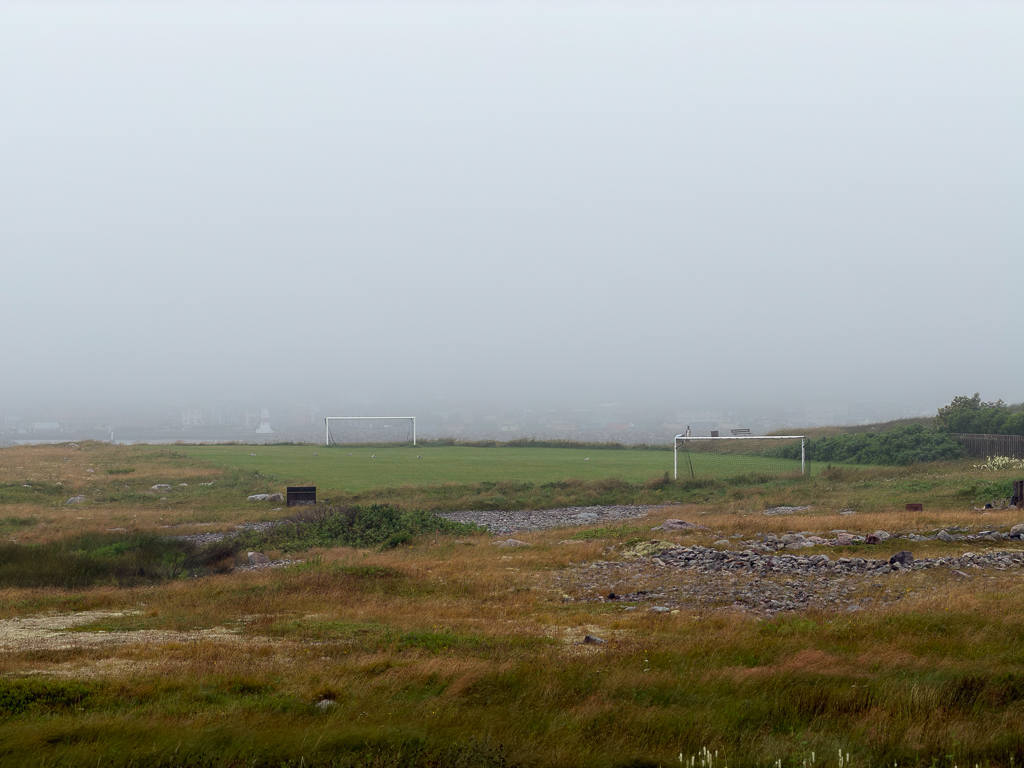
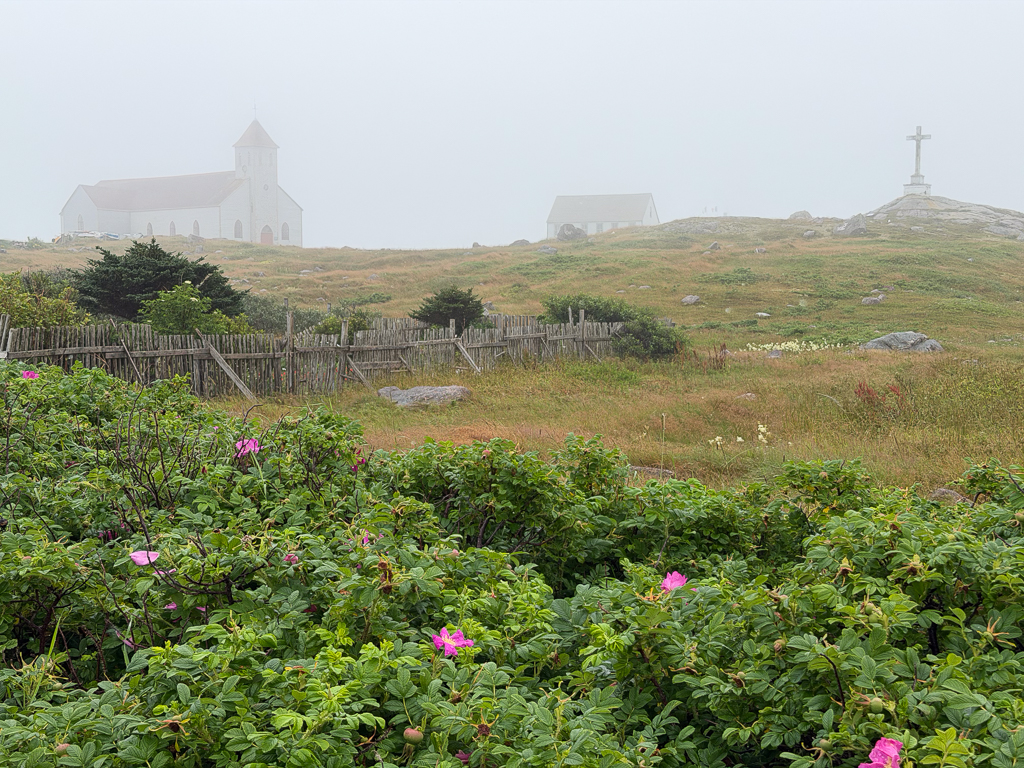
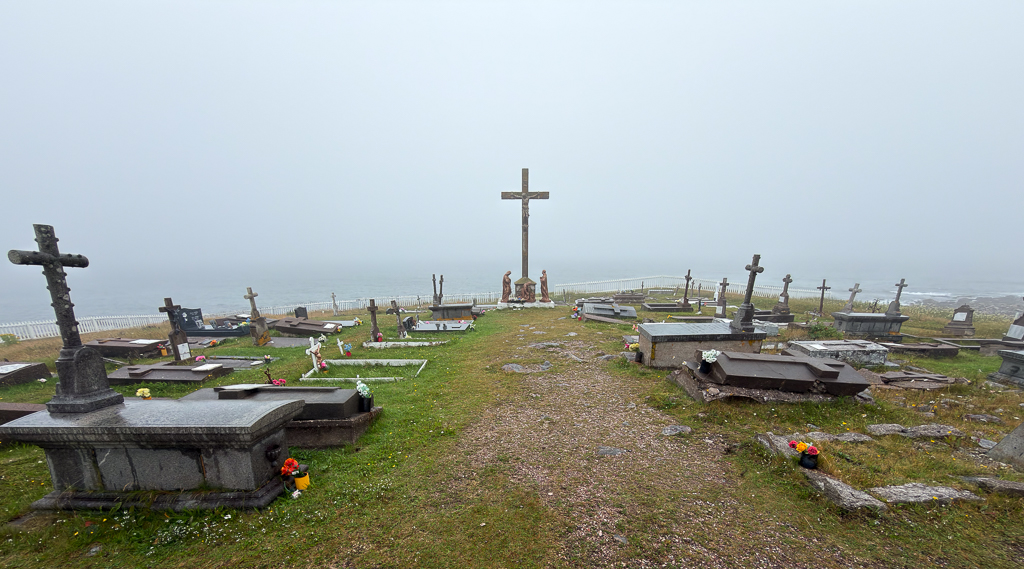
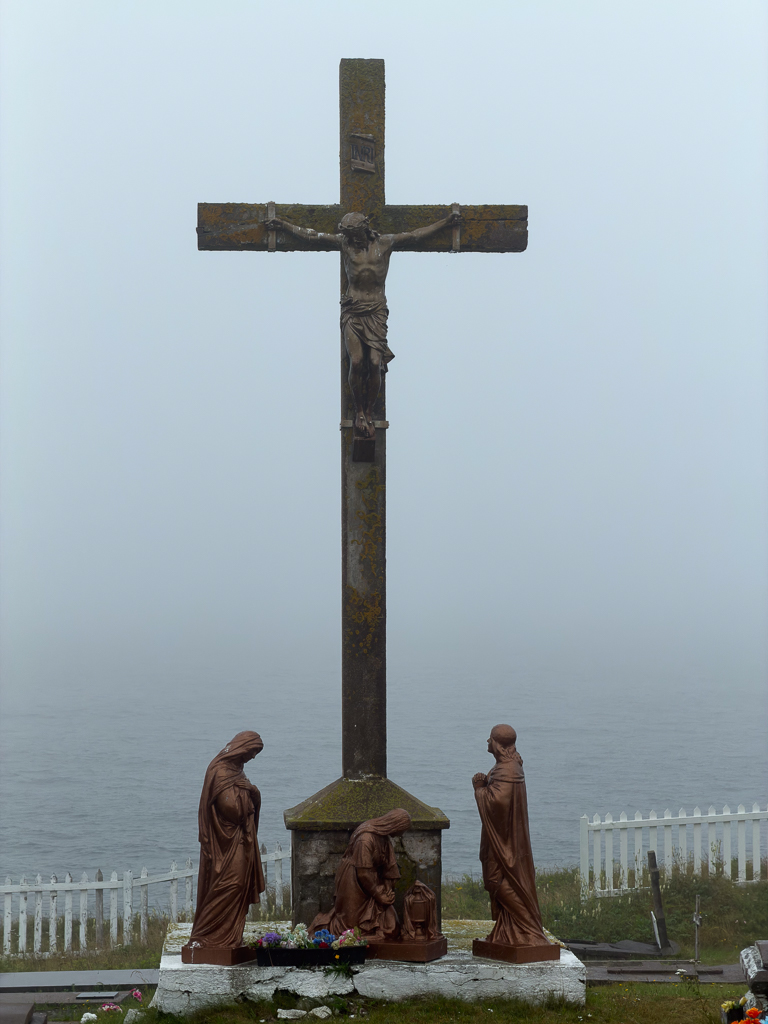
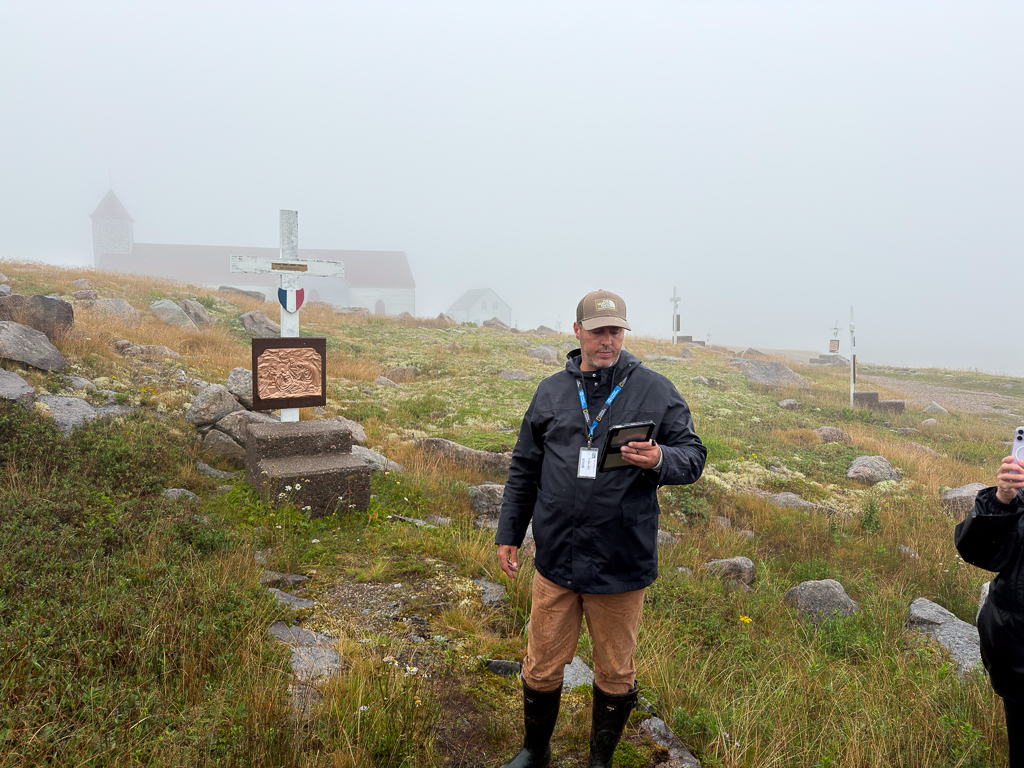
I could see the church and cemetery in the distance.
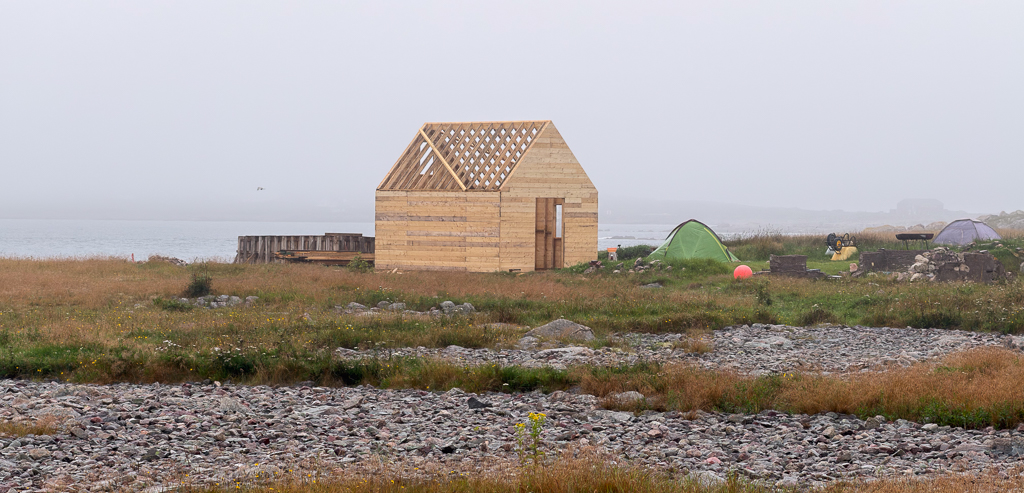
I was surprised to see new construction on the island – someone is an optimist!
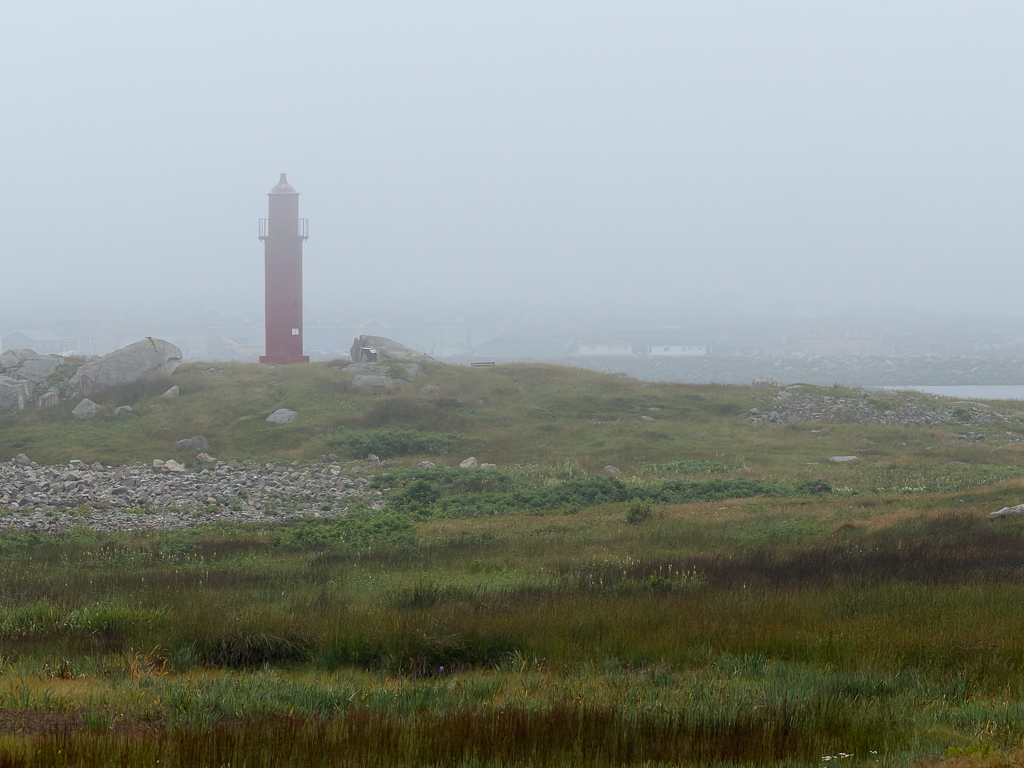
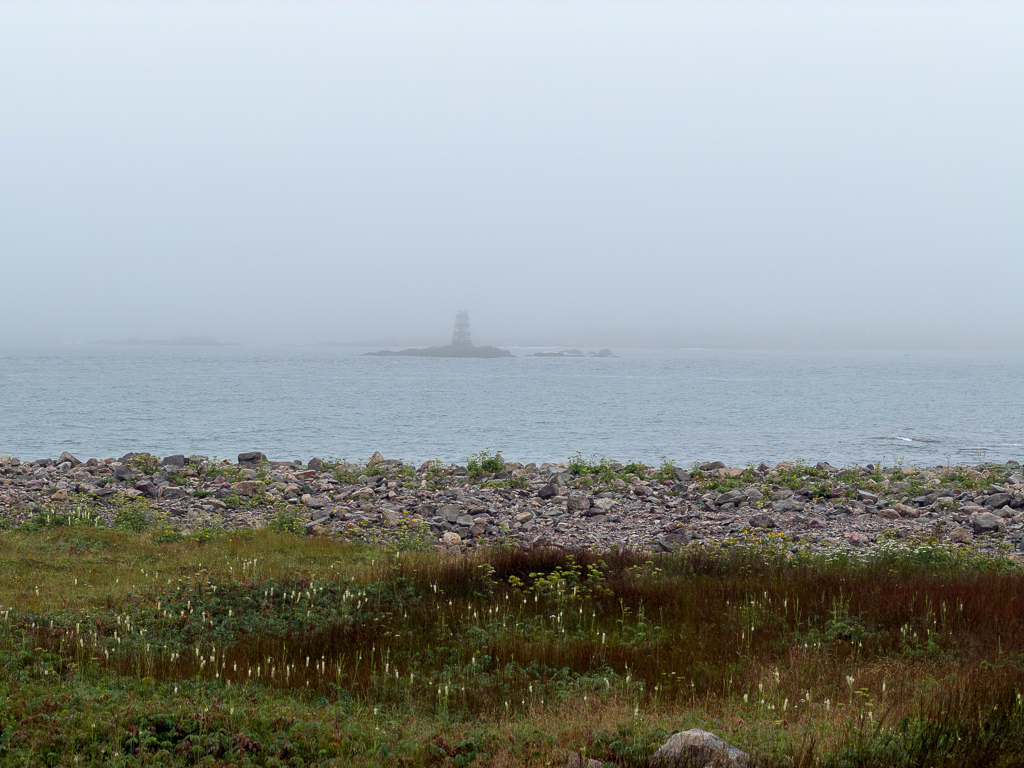
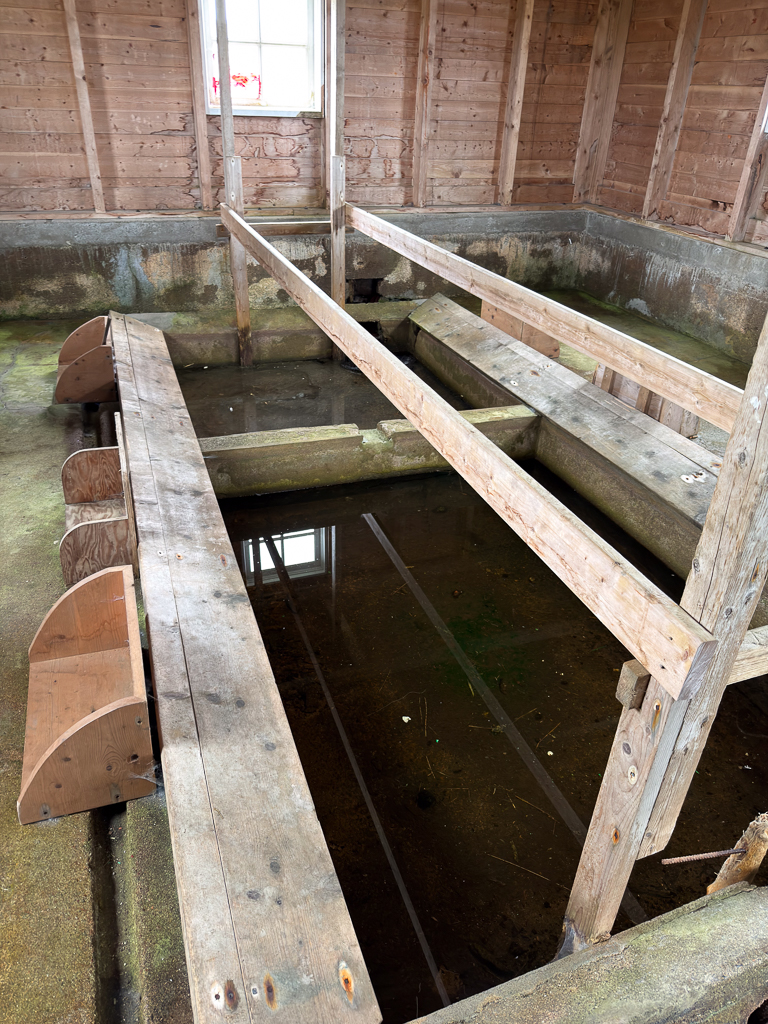
We visited the laundry, which was built in the late 19th century. There was no running water on the island, but there was a spring just outside the laundry. Until it was built, the residents (well, the women) had to take their washing to Saint-Pierre by dory!
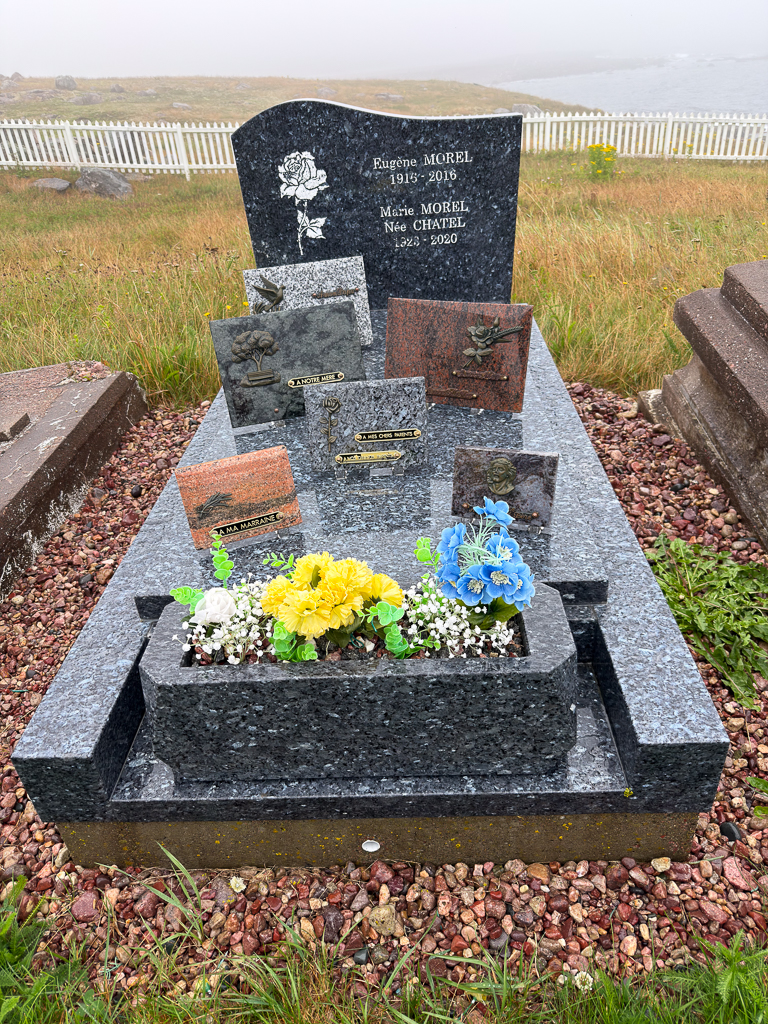
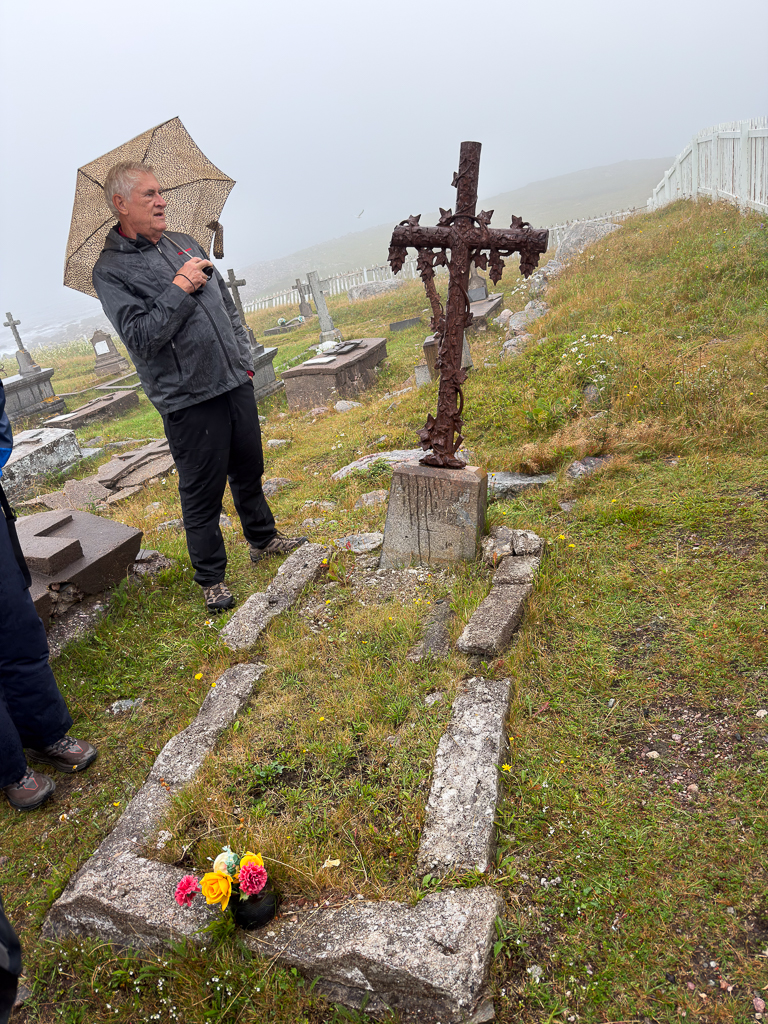
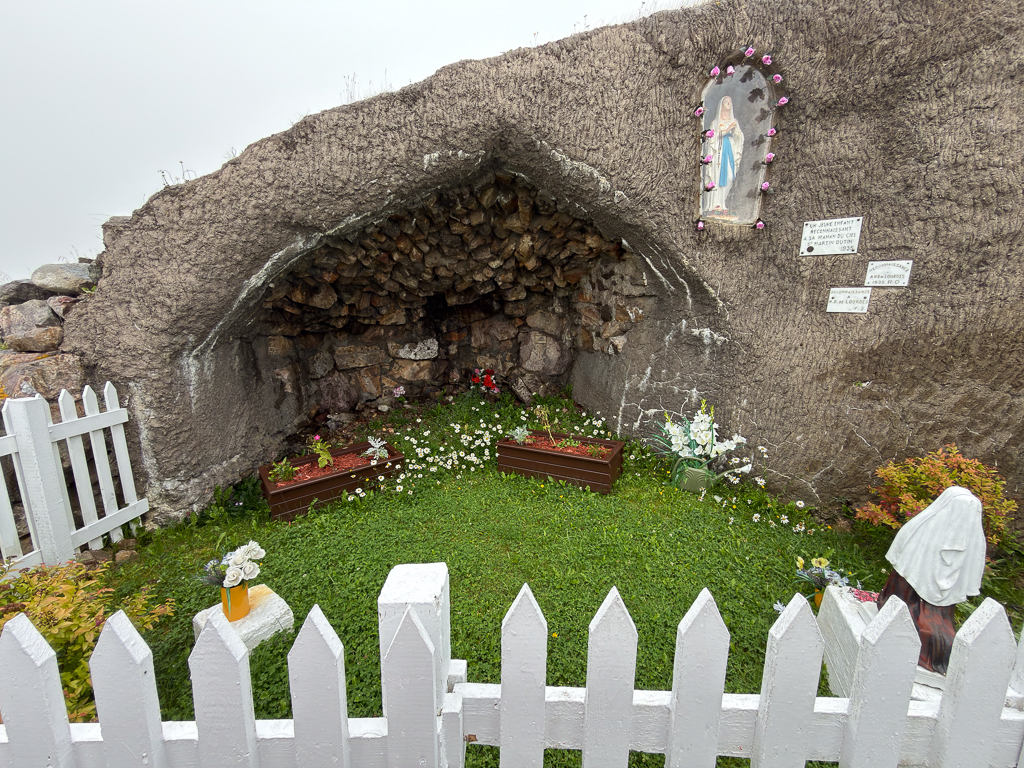
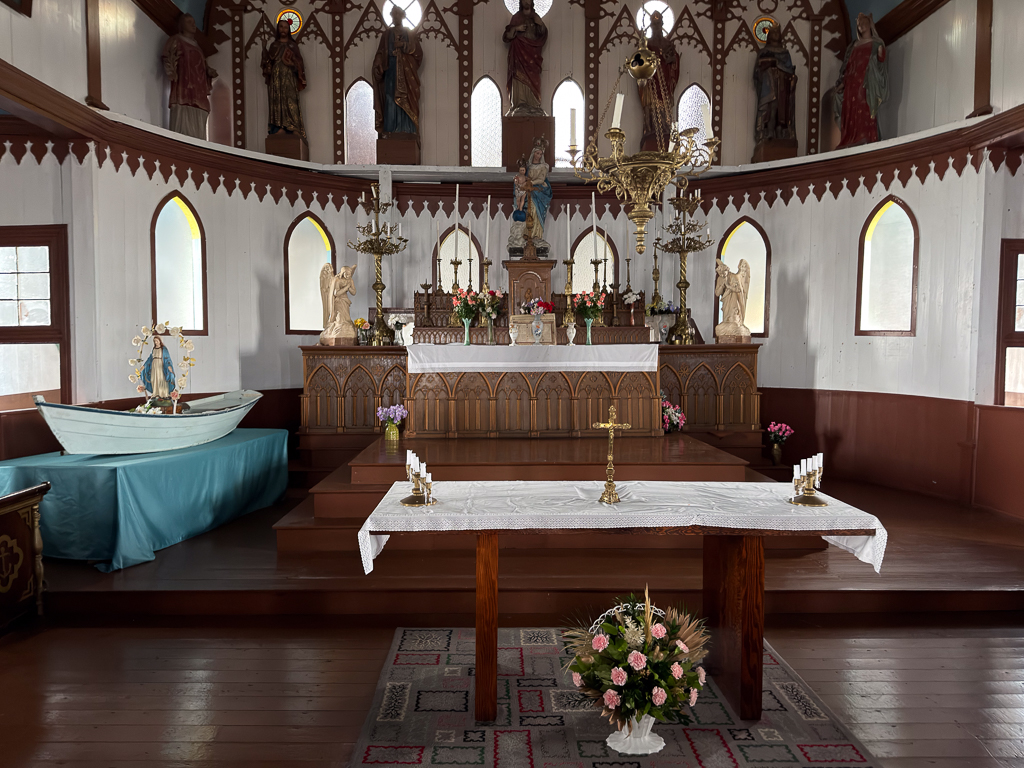
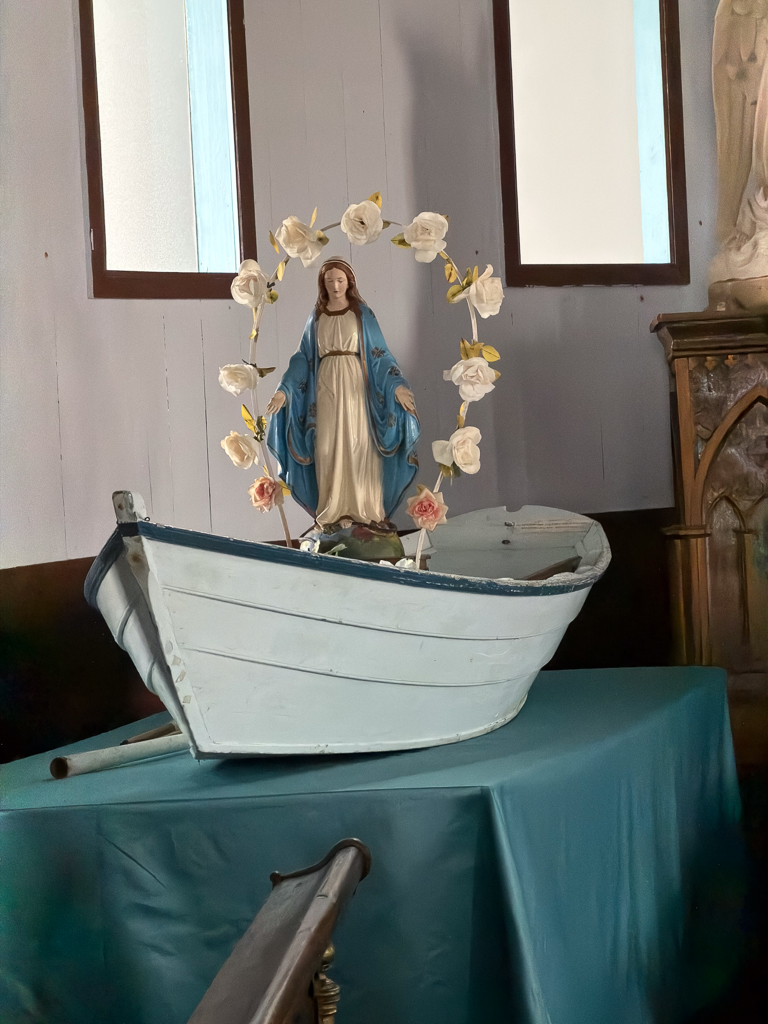
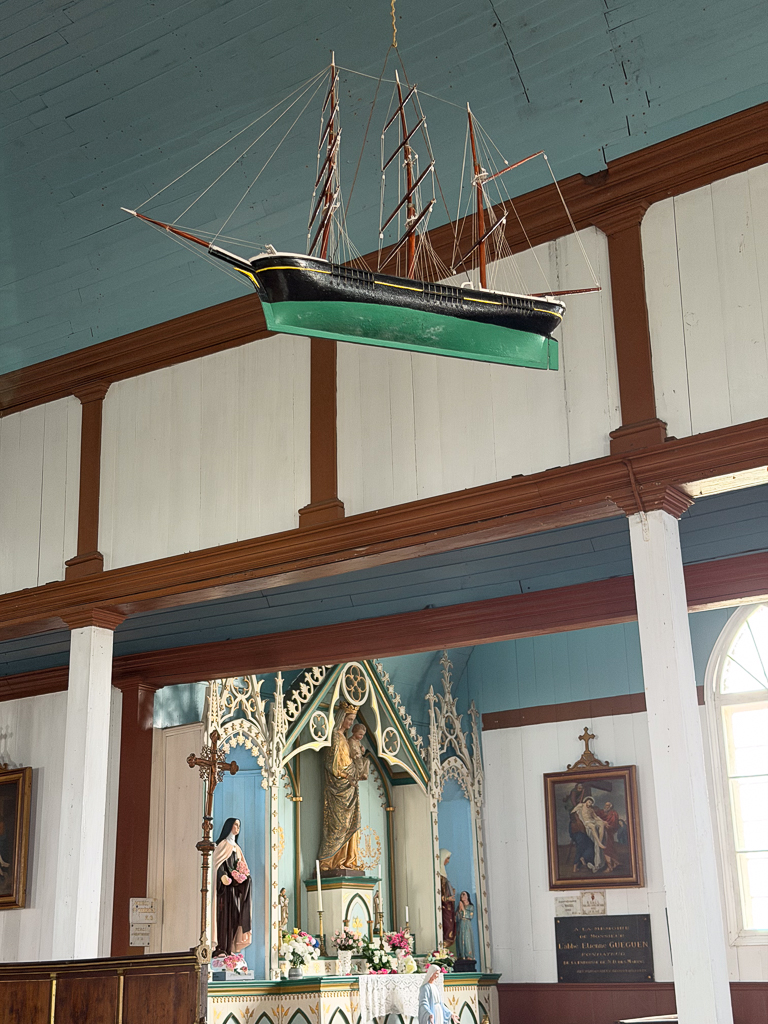
We spent a good amount of time visiting the cemetery and the church.
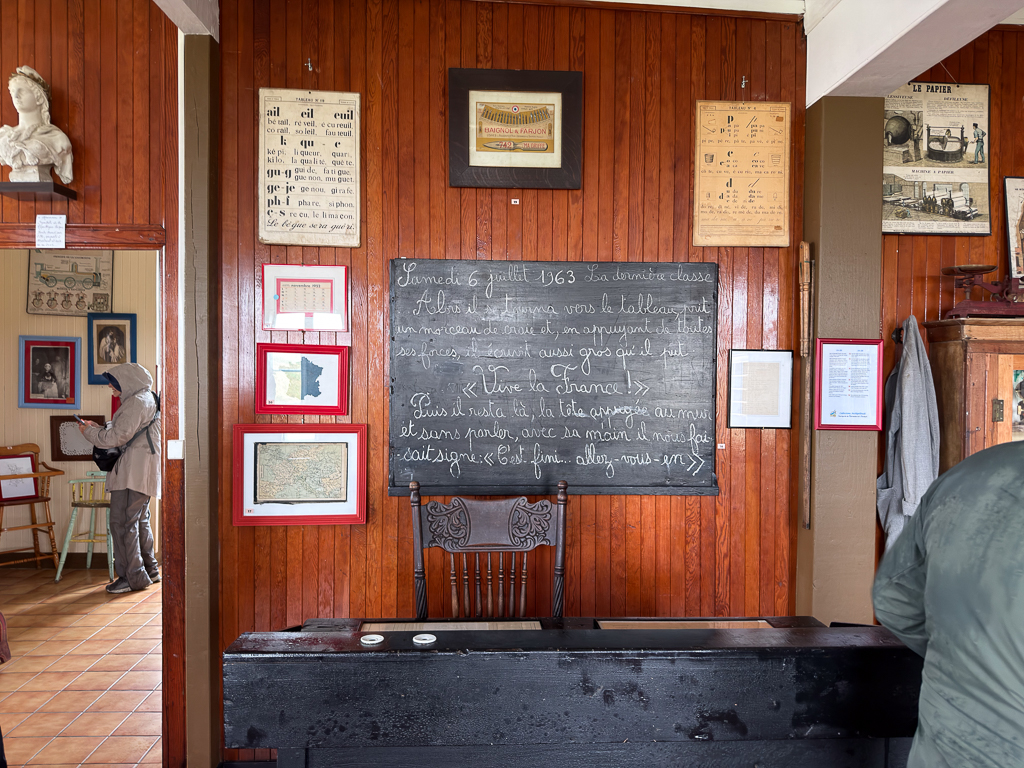
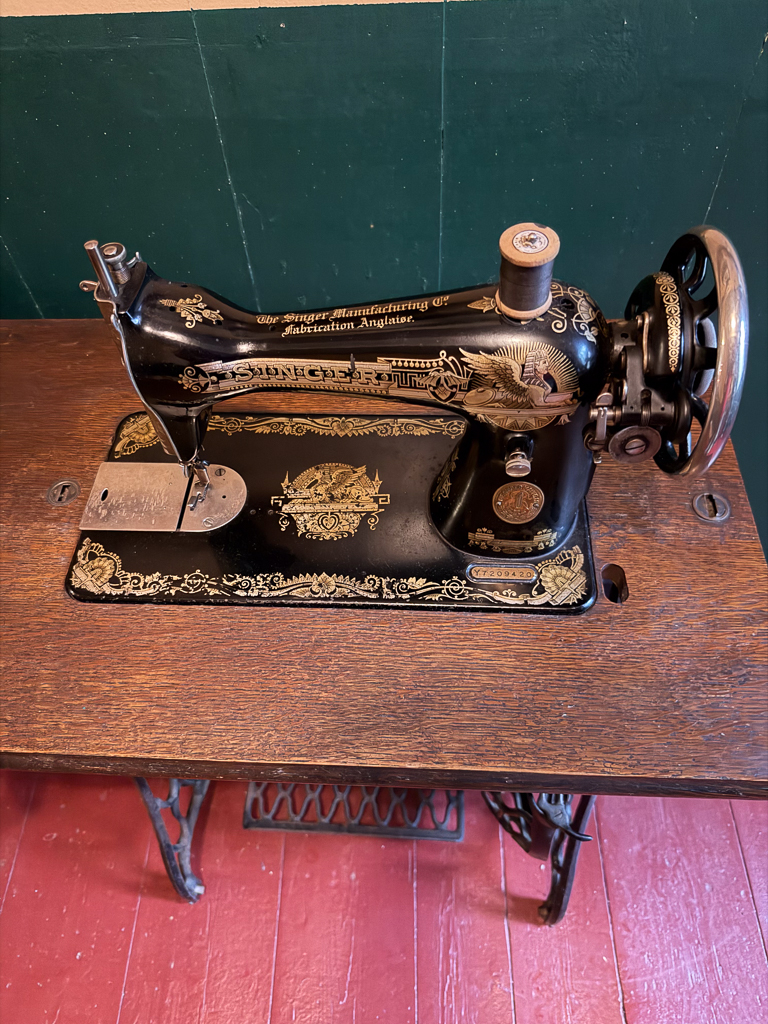
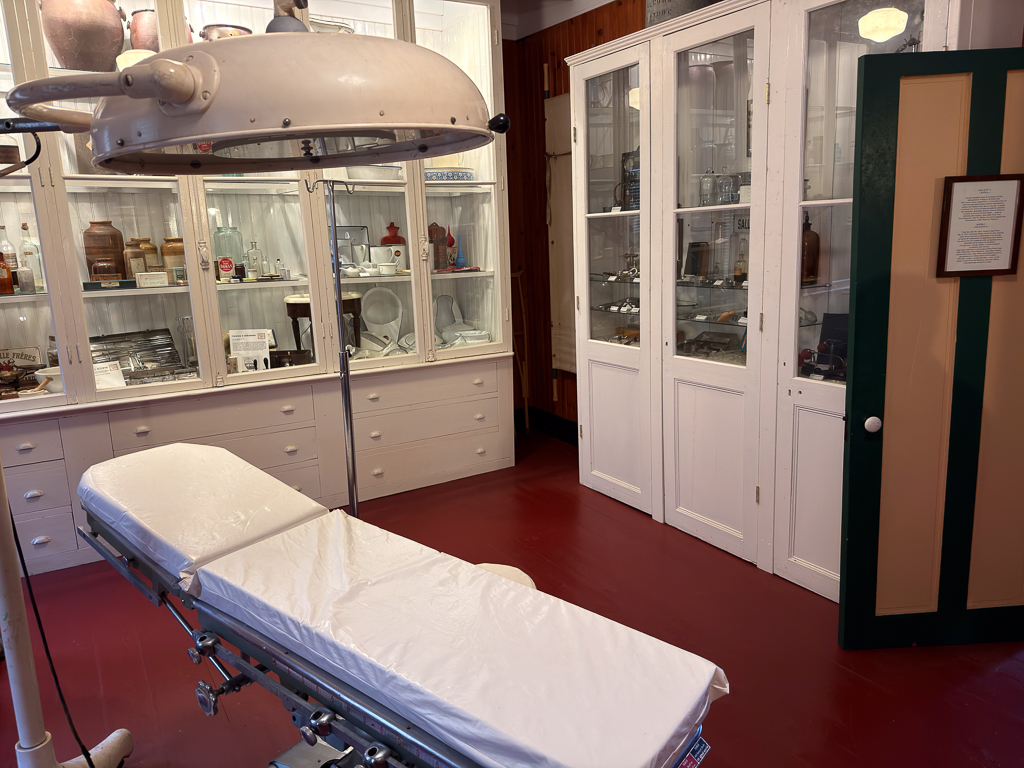
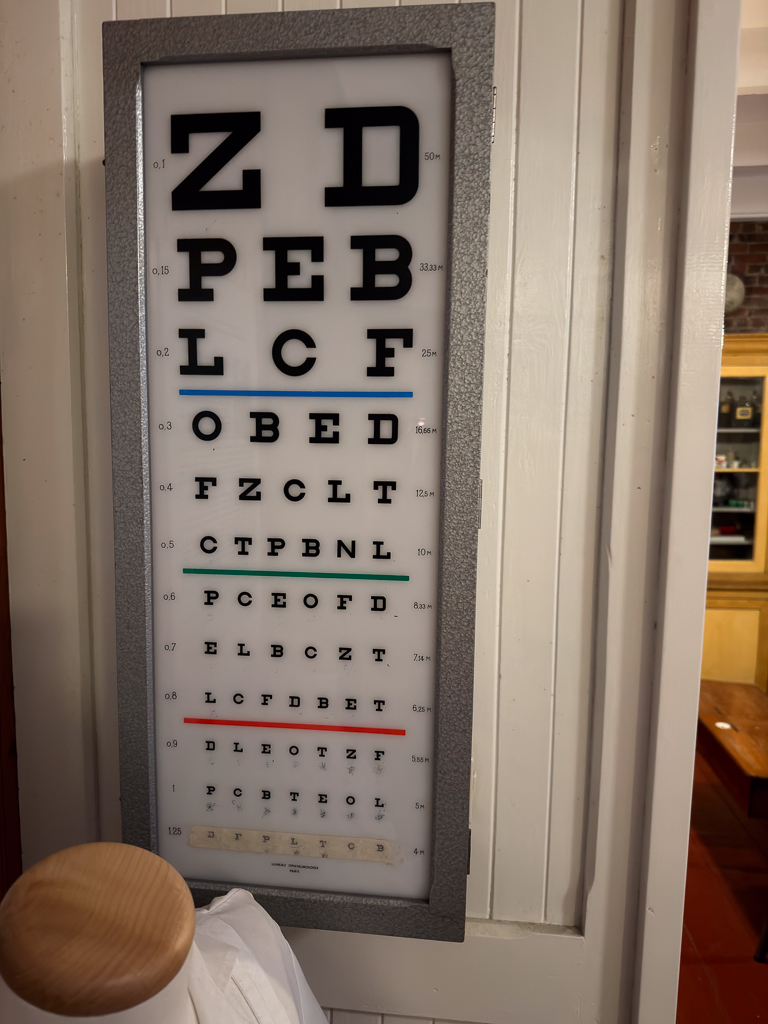
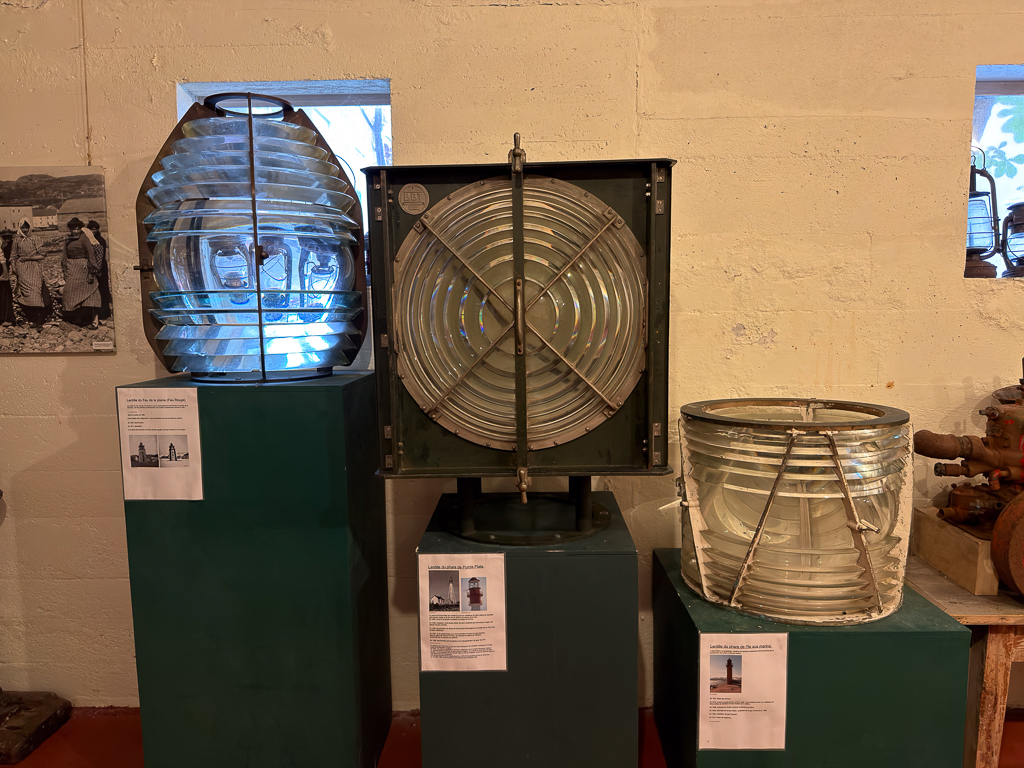
The school (built in 1863, closed in 1963) has been converted into a museum, filled with artifacts from the island’s life.
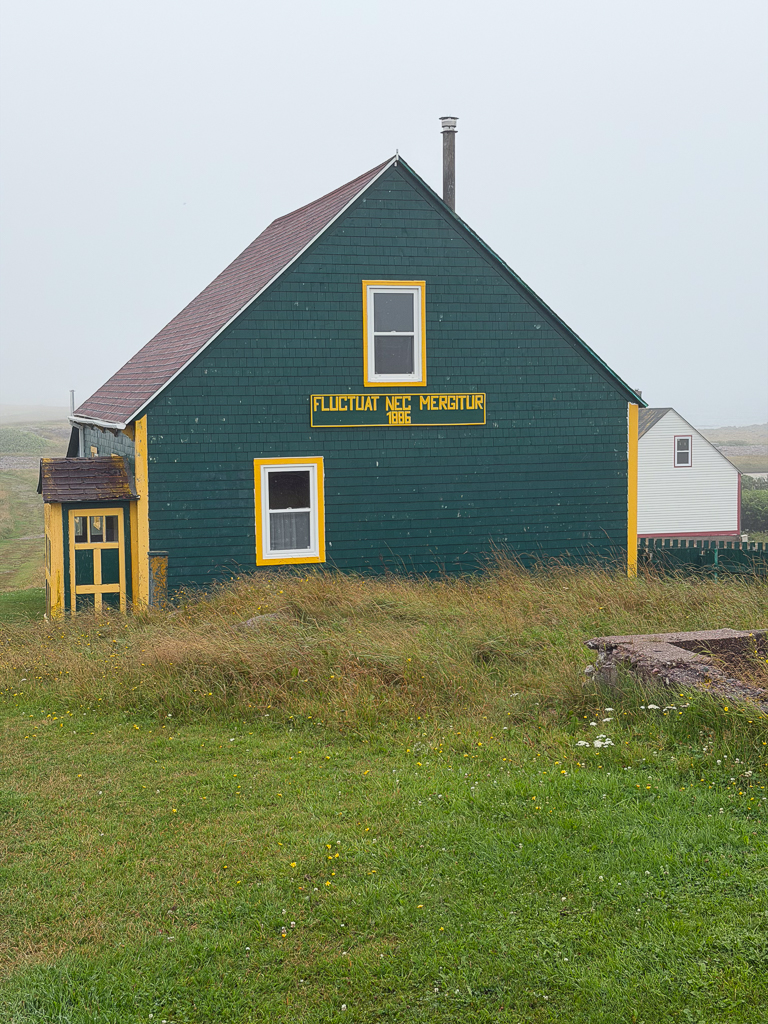
The island has adopted the motto of the city of Paris, “Fluctuat nec Mergitur”, which translates as “he is rocked by waves but does not sink”.
We returned to the ship and took a bus to Saint-Pierre.
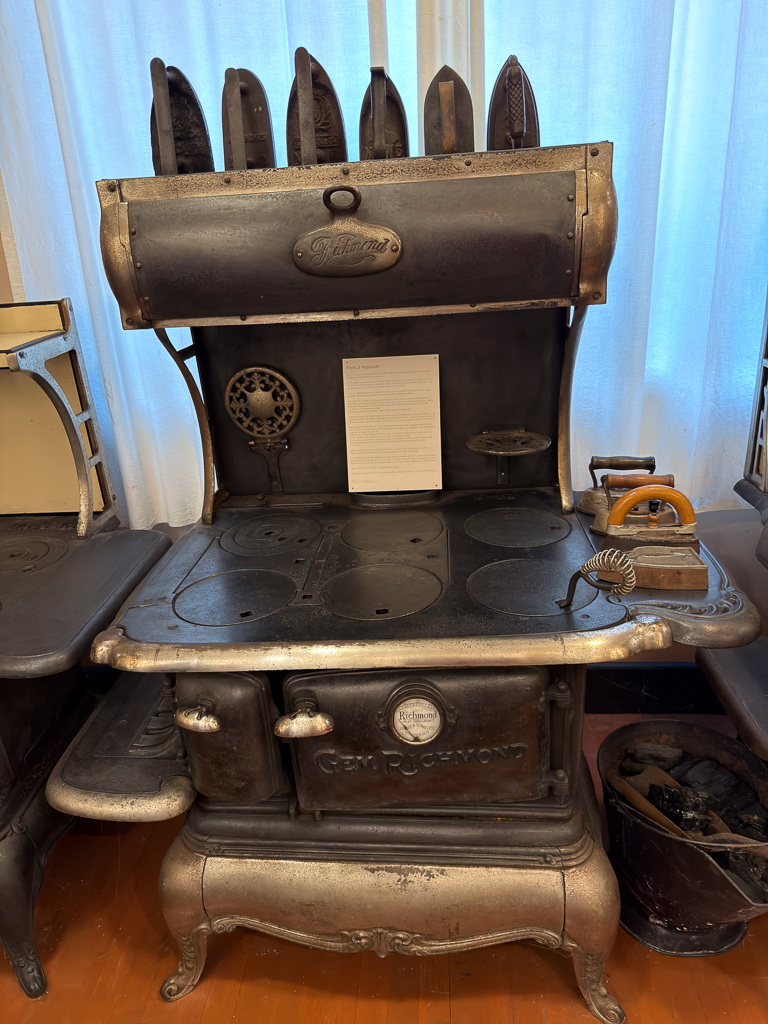
We were told we’d like the Heritage Museum; it’s overflowing with interesting exhibits (some had English signage) and artifacts telling the story of Saint-Pierre et Miquelon since its settlement.
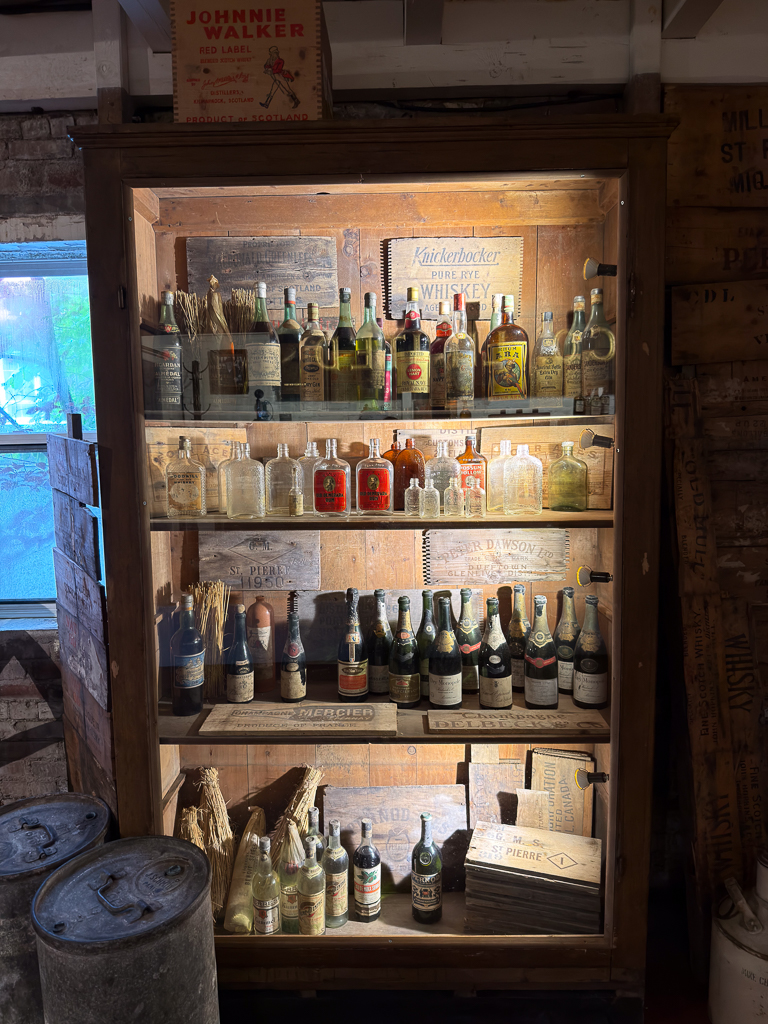
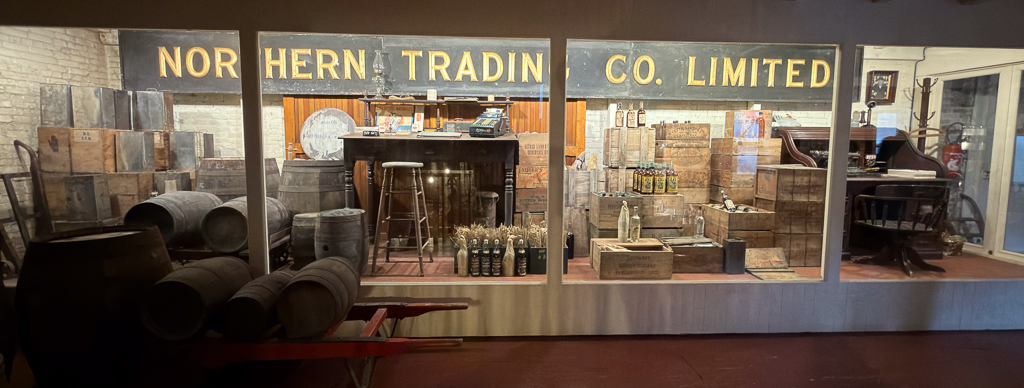
Bootlegging was an important part of the economy during Prohibition in the US, and it got its share of attention in the museum.
After we’d finished with the museum, we wandered around the city; most of the shops were closed, so we didn’t wander very long.
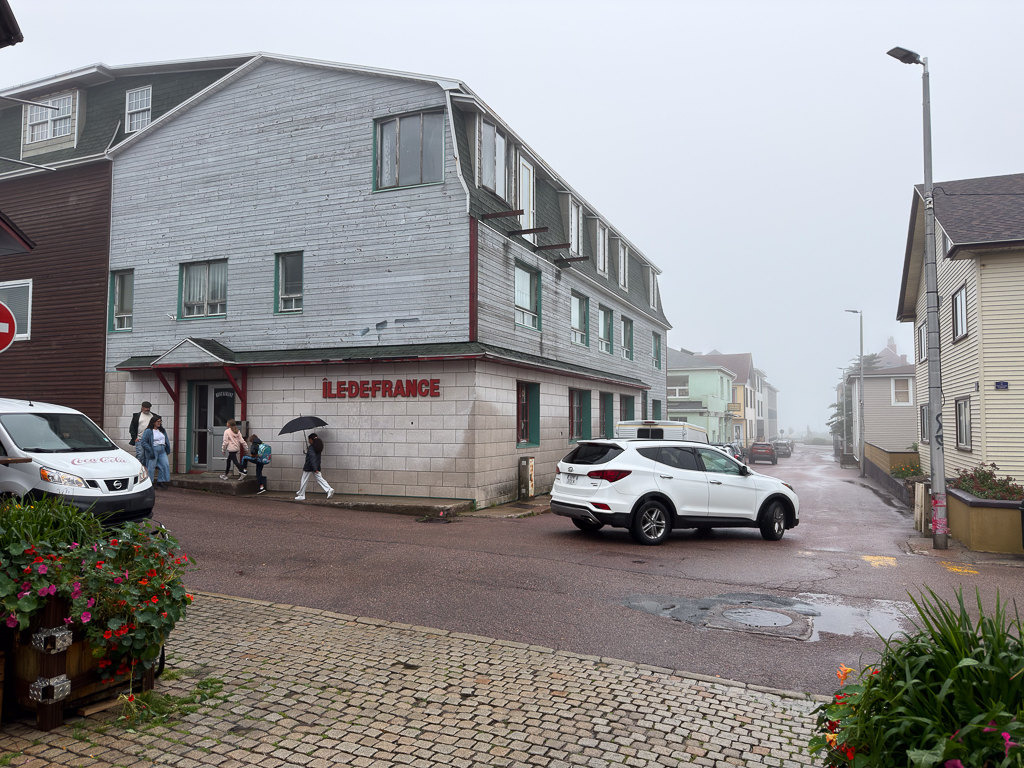
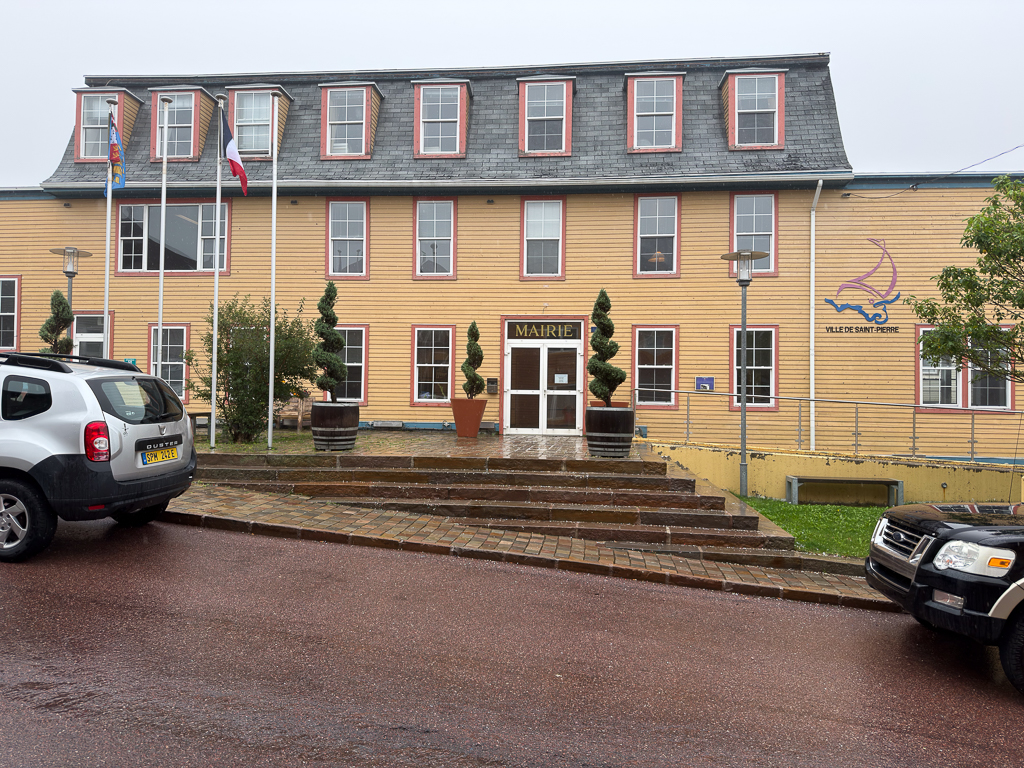
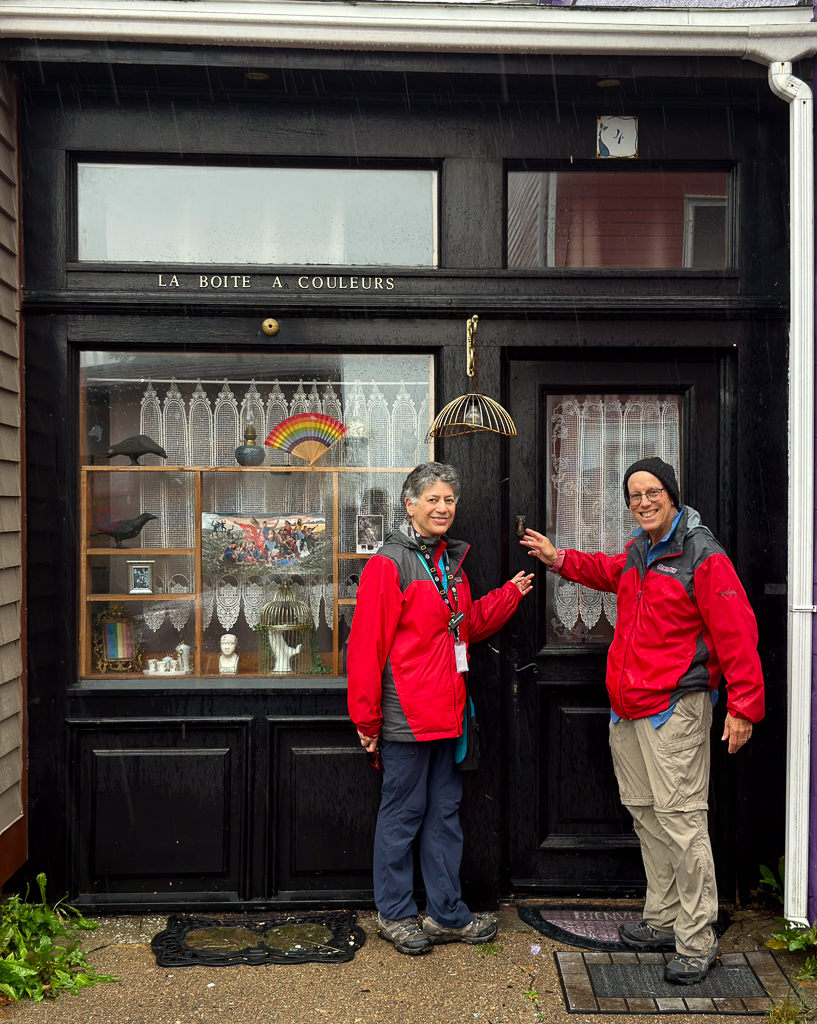
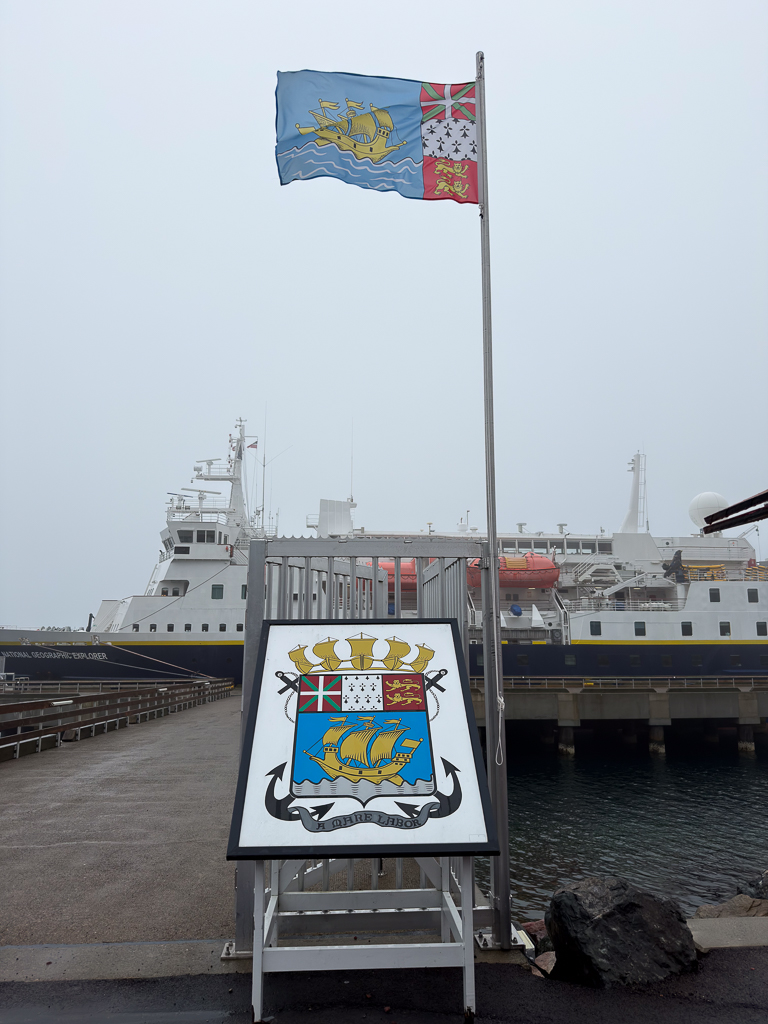
We left Saint-Pierre et Miquelon just before dinner. I’d like to see it again on a brighter, less rainy day.
Your blog is helping me to relive my times in Nova Scotia and Newfoundland (never made it to St.Pierre). I visited a lot of the same places. And yes it was sometimes misty, foggy and coolish in the summer.